A dog that disappears over a ridge, through cover, or beyond a cabin driveway creates a different kind of problem than a dog slipping out in a neighborhood. This Garmin Alpha 200i review looks at a system built for field situations where a phone-based tracker is not always the most reassuring tool. The quick verdict: the Garmin Alpha 200i is a strong fit for hunters, working-dog owners, and rural handlers who want dog tracking tied to a dedicated handheld rather than ordinary cellular coverage.
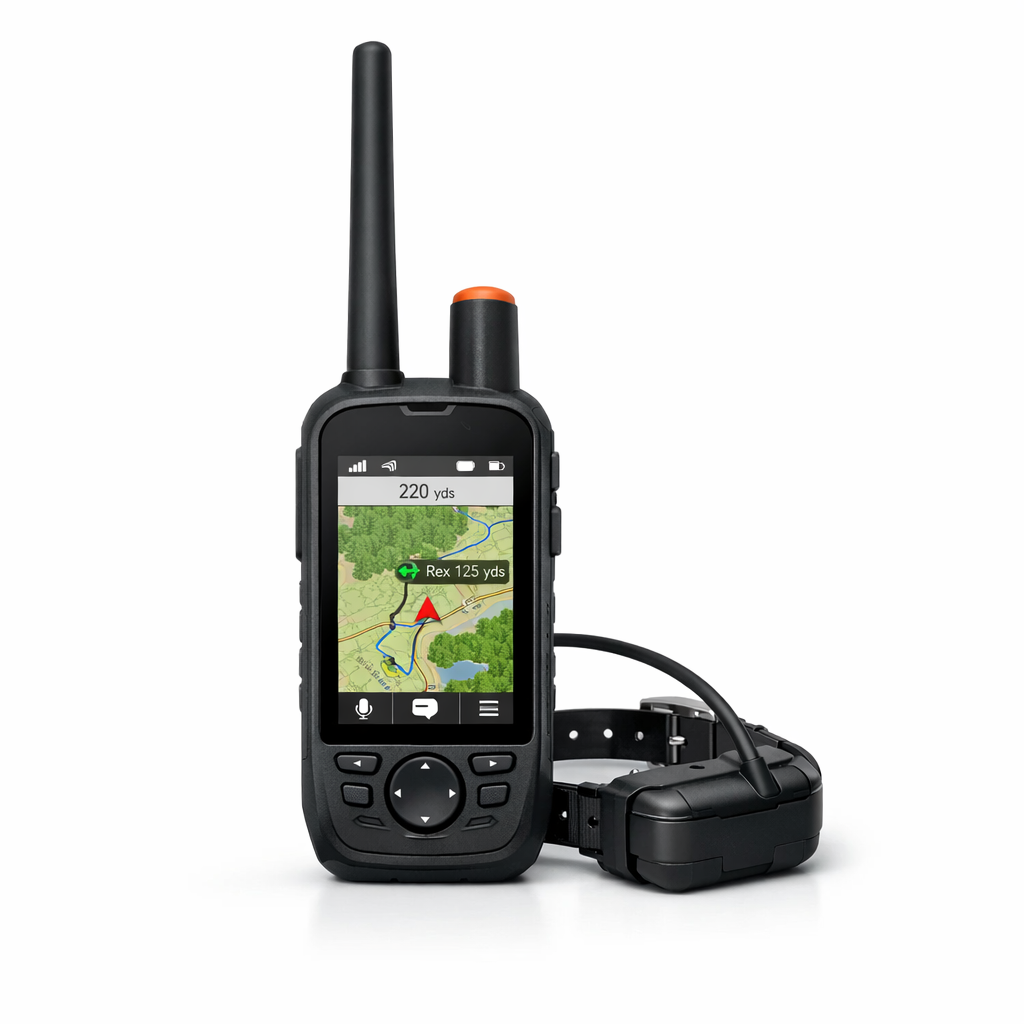
Garmin Alpha 200i
Best suited to field owners who need handheld dog tracking beyond ordinary cellular coverage
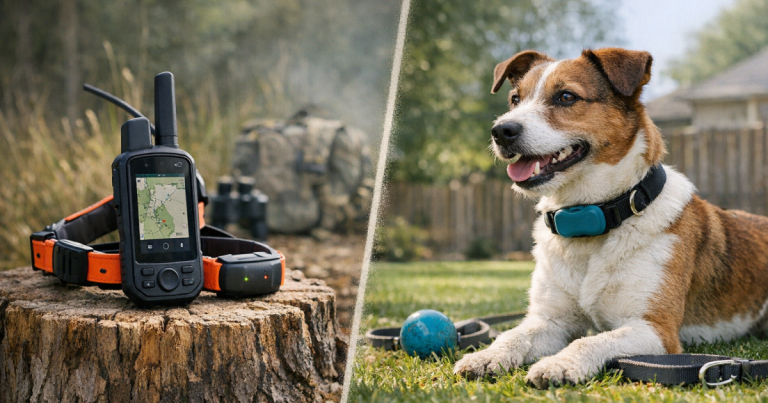
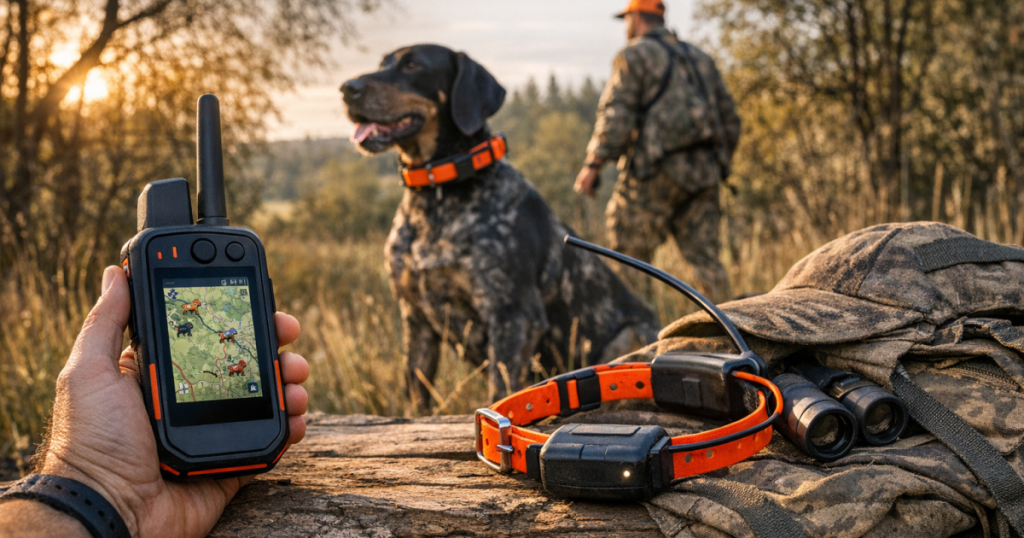
The Garmin Alpha 200i dog tracking handheld system is not a casual smart tag or a collar-only device. Garmin describes the Alpha 200i as a handheld-and-collar system that locates dogs using a GPS/Galileo dog collar with a VHF radio link back to the handheld. That design choice drives almost every practical decision in this review: range behavior, subscription expectations, carry load, field workflow, and the type of owner most likely to benefit from it.
Product Details
- Product: Garmin Alpha 200i dog tracking handheld system
- Product type: Dog GPS tracker with handheld-and-collar system format
- Tracking method: GPS/Galileo dog collar with VHF radio link to the Garmin handheld
- Coverage dependency: Paired Garmin handheld range
- Core dog-tracking subscription: No subscription required for core dog tracking
- Optional service note: inReach satellite features require a separate subscription
- Claimed battery life: 2.8 days
- Handheld weight: About 8.4 oz
- Water resistance: 1 ATM
- Best-fit use cases: Hunting and field-work pack tracking, handheld mapping, off-cellular dog tracking, and optional inReach communication features
The handheld link is the whole point
The Alpha 200i’s defining trait is its GPS/Galileo collar-to-handheld tracking method using VHF radio. In plain terms, this is a system designed around a dedicated receiver in your hand, not a phone app waiting on a cellular network. For a dog owner working brush, pasture edges, hunting land, or remote trails, that distinction can be the reason this product enters the conversation in the first place.
Cellular trackers can be convenient for everyday life, but the Alpha 200i aims at a different job: following dogs in the field when ordinary phone service may not be the tool you want to rely on. Garmin’s stated best-fit use cases include hunting and field-work pack tracking, handheld mapping, and off-cellular dog tracking. That makes the Alpha 200i more specialized than a mainstream pet tracker, but also more purposeful for the owner who already knows their dog may be working outside suburban recovery conditions.
The trade-off is that coverage depends on paired Garmin handheld range. That is not the same as unlimited recovery coverage. The system is built around the relationship between the dog collar and the handheld, so the recovery plan still depends on how you move, where you search, and how well you maintain contact with the system. A tracker improves information; it does not remove the need for calm handling and a practiced search routine.
No core tracking subscription changes the ownership feel
For core dog tracking, the Garmin Alpha 200i does not require a subscription. For owners already juggling collars, tags, travel gear, veterinary costs, and training equipment, that is a meaningful structural advantage. You are not buying into a routine monthly fee just to use the primary dog-tracking function described for this system.
There is one important distinction: optional inReach satellite features require a separate subscription. That keeps the buying decision honest. If your main need is tracking dogs through the handheld-and-collar system, the core function is separate from a subscription. If you also want the optional inReach side of the product, that becomes an additional service relationship rather than a free add-on.
That split makes the Alpha 200i easier to evaluate. Field handlers who want a dedicated dog-tracking tool can focus on the handheld range workflow, compatible collar setup, battery routine, and mapping habits. Owners attracted mainly by satellite communication should account for the optional subscription as part of the full ownership picture.
Battery life and carry weight in real use
Garmin’s claimed battery life for the Alpha 200i is 2.8 days. For a field-oriented handheld, that claim suggests a device designed for more than a quick neighborhood loop. The practical implication is not that you can ignore charging; it is that the Alpha 200i belongs in a planned routine. Charge it before a hunt, field session, cabin weekend, or long rural outing, then treat power management as part of your dog-safety checklist.
The handheld weighs about 8.4 oz. That is not excessive for a dedicated field device, but it is still another object to carry, protect, and keep accessible. The Alpha 200i makes more sense for owners who are comfortable with a handheld workflow: glancing at a dedicated screen, keeping the unit available while moving, and building the device into a repeatable routine rather than expecting a collar alone to do all the work quietly in the background.
That is where the product’s personality becomes clear. The Alpha 200i is not trying to be invisible. It asks the handler to participate. For the right person, that is a benefit: the dog’s location is tied to a purpose-built tool. For the wrong person, it can feel like too much equipment for ordinary walks, dog-park visits, or backyard escape monitoring.
Where the Alpha 200i makes the most sense
The best match is a dog owner whose highest-risk moments happen away from reliable everyday infrastructure: hunting cover, rural acreage, field training areas, backcountry access roads, or unfamiliar land where a dog may range out of sight. In those situations, the Alpha 200i’s off-cellular tracking role is the reason to consider it over a casual lost-pet device.
It also fits handlers managing more than one field scenario. A dog that works ahead, moves through cover, or runs in a pack creates a different recovery problem than a dog who occasionally bolts through the front door. Garmin lists pack tracking and handheld mapping among the Alpha 200i’s best-fit uses, and those are the scenarios where a dedicated handheld starts to justify its extra complexity.
For a small urban dog, a door-dasher in an apartment building, or an owner who wants something lightweight for daily peace of mind, this system may be more specialized than necessary. The review decision is not about whether the Alpha 200i is good technology in the abstract. It is about whether your dog’s risk pattern looks like a field-navigation problem rather than a routine neighborhood notification problem.
If you are comparing this with other tracker formats, the Garmin Alpha 200i profile in our dog tracker database is a useful next stop because it places the same core specs beside other tracking methods and use cases.
Fit, water exposure, and recovery planning
The Alpha 200i is a handheld-and-collar system, so comfort and fit are not only about the handheld. The dog-worn side of the system needs to suit the dog’s body, coat, collar habits, and working style. A strong tracker setup is undermined if the dog’s collar arrangement is awkward, loose, or poorly matched to the way the dog moves through cover.
The handheld’s listed water resistance is 1 ATM. That is useful context for field life, where weather, wet grass, and messy handling are part of the day. It should still be treated as a tracked safety device, not as something to abuse. Keeping it clean, charged, and stored where it is easy to grab is part of making the system dependable when a search becomes stressful.
Owners who travel with working dogs should think beyond the device itself. A tracker gives you location information; recovery also depends on ID, recent photos, leash control, spare gear, and a plan everyone in the vehicle understands. If the Alpha 200i is part of your road-trip or hunt-camp setup, pair it with a prepared routine like a lost-dog emergency kit for road trips so the tracker is one layer in a broader recovery plan.
The compromises are mostly about specialization
The Alpha 200i’s strengths are also the reasons some owners should choose differently. A handheld-and-collar system is more involved than a small tag or simple app-based collar. It asks you to carry a separate device, understand the tracking relationship, and keep the system ready before you need it. For devoted field owners, that is normal. For casual pet owners, it may be more process than they want.
The paired-handheld range dependency is another key trade-off. It frees the core dog-tracking function from ordinary cellular service, but it does not create a magic recovery bubble. If you lose the working relationship between handheld and collar, your next task is to search in a way that restores it. That is why the Alpha 200i belongs with owners who will practice with it before a high-stakes outing, not leave it in a truck until the first emergency.
The optional inReach subscription can also change the decision. Some owners will value the ability to add inReach communication features; others only need dog tracking and will appreciate that the core tracking function does not require a subscription. The important point is to separate those two ownership paths instead of treating the product as either entirely subscription-free or entirely subscription-based.
Verdict
Score: 9.0/10. The Garmin Alpha 200i earns its strongest marks for its GPS/Galileo collar tracking with a VHF radio link, its off-cellular field orientation, and the absence of a subscription requirement for core dog tracking. Those factors make it a serious tool for hunting, field-work, and rural dog owners who want a dedicated handheld system rather than a phone-dependent tracker.
The main caveats are practical rather than disqualifying. It depends on paired Garmin handheld range, it adds a handheld to your gear routine, and optional inReach satellite features require a separate subscription. For the right owner, those are acceptable trade-offs for a more field-focused tracking workflow. For everyday neighborhood monitoring, the Alpha 200i is probably more system than you need. For dogs that work beyond easy sightlines, it is one of the more convincing dedicated setups to build a recovery plan around.
Garmin Alpha 200i
Best suited to field owners who need handheld dog tracking beyond ordinary cellular coverage
You might also like: Best Escape-Resistant Harnesses for Skittish Dogs on Walks.