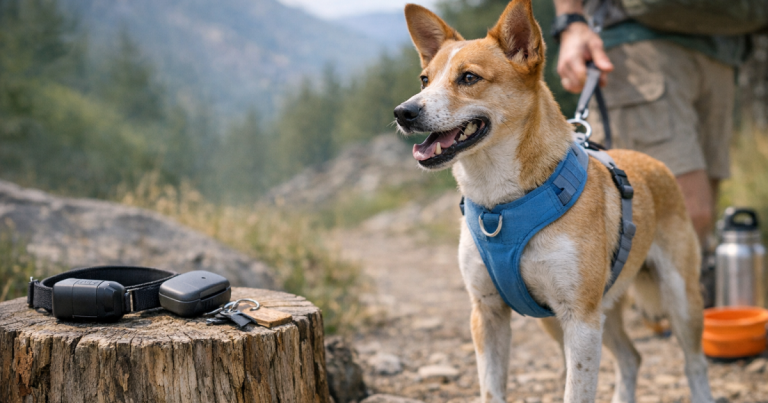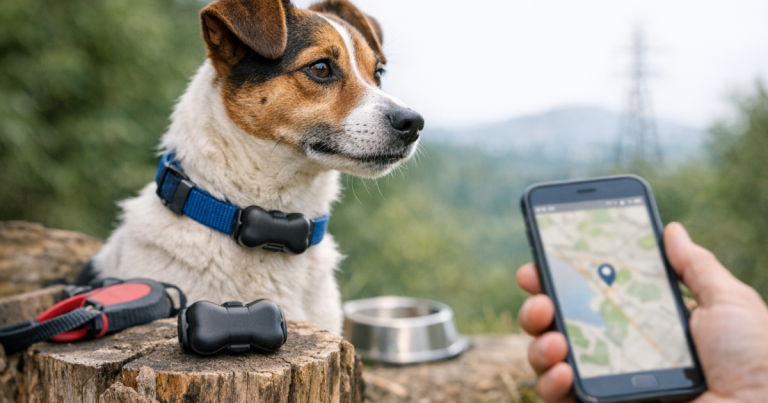
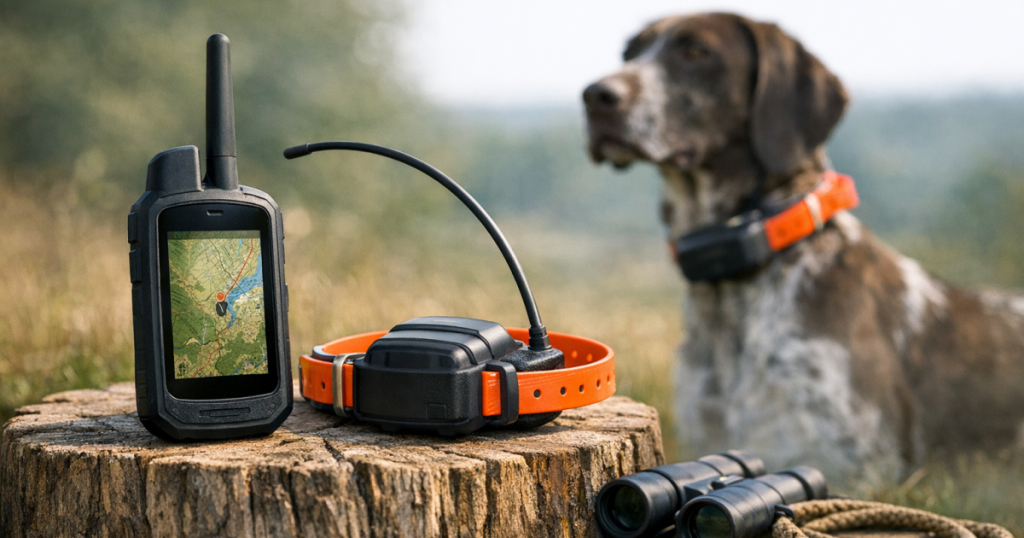
A dog that bolts through a gate or disappears over the next ridge does not leave much room for vague promises. This Garmin Alpha LTE review looks at the product through that real owner moment: you need a tracker that fits the terrain, the dog, and the recovery plan you will actually use under pressure.
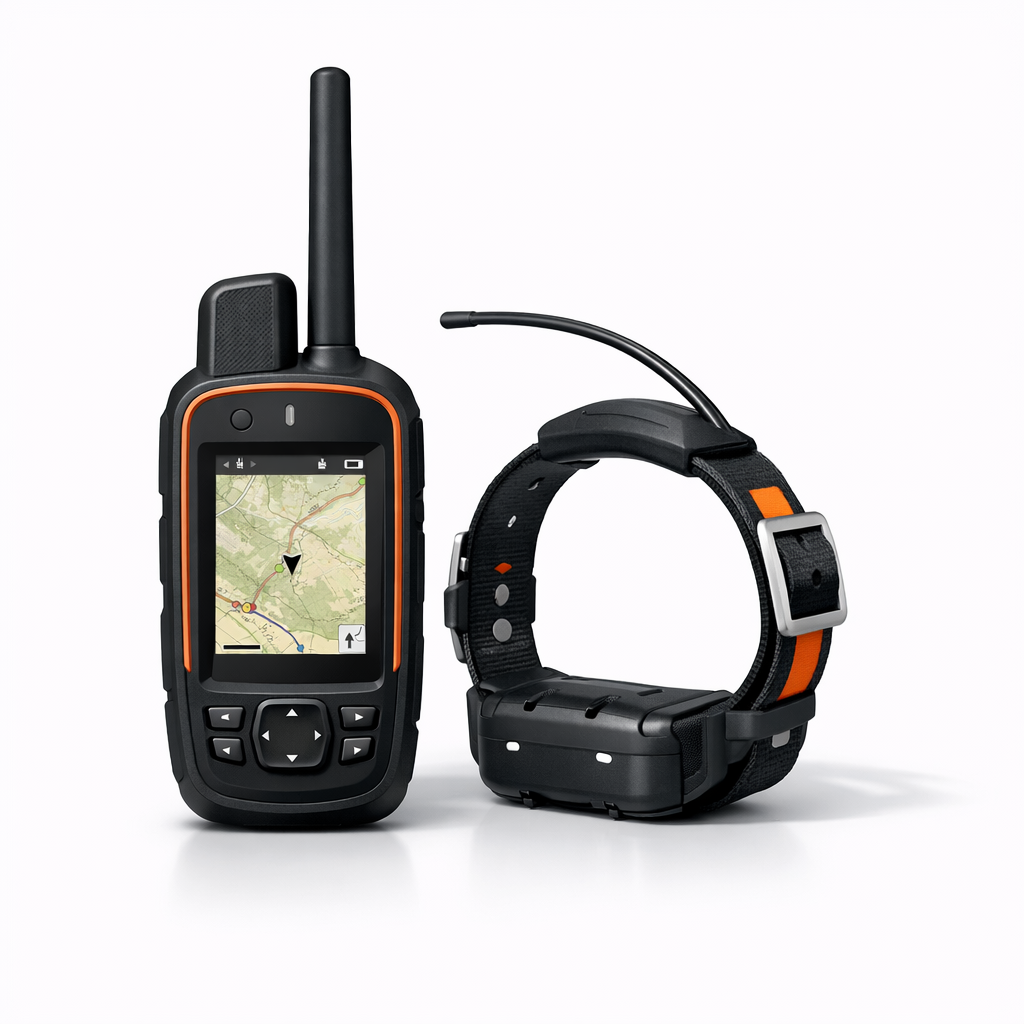
Garmin Alpha LTE
A serious tracker choice for owners who need LTE-backed field coverage and understand the coverage trade-offs
The quick verdict: the Garmin Alpha LTE is a serious, current US dog tracker built around LTE cellular and VHF radio tracking. That combination gives it a more field-minded identity than a simple everyday tag, but its usefulness depends heavily on LTE coverage, and the annual LTE service cost belongs in the decision from the start.
Product overview
The product under review is Garmin Alpha LTE, a current Garmin dog tracker available in the United States. Garmin’s confirmed tracking method for this model is LTE cellular and VHF radio, which immediately separates it from basic Bluetooth-style location tags and from phone-only pet trackers that depend on a single tracking approach.
That matters most for owners whose dogs spend time beyond the front yard: hunting land, wooded trails, rural properties, open fields, camping areas, or any place where a dog can put distance between themselves and the person holding the leash. In those moments, tracker convenience is less important than whether the tracking method matches the environment.
The Garmin Alpha LTE is not a magic recovery button. Garmin’s documented limitations are meaningful: LTE coverage is required for optimal functionality, the LTE tracking service has an annual subscription fee of $49.99, and battery life is limited in areas with poor cellular coverage. Those facts do not make the product weak, but they do make it a situational choice rather than a universal answer.
If you are building a broader safety routine around any tracker, pair the device decision with a written plan for the first hours after a dog goes missing. Our first 72 hours after a lost-dog incident guide is a useful companion because a tracker is only one piece of the recovery workflow.
Confirmed product details
- Product name: Garmin Alpha LTE.
- Brand: Garmin.
- Product type: Dog tracker.
- US market status: Current in the United States.
- Confirmed tracking method: LTE cellular and VHF radio.
- LTE service cost: Annual subscription fee of $49.99 for LTE tracking services.
- Documented coverage limitation: Requires LTE coverage for optimal functionality.
- Documented battery limitation: Limited battery life in areas with poor cellular coverage.
Pros, trade-offs and limitations
What works in its favor
- Dual tracking method: LTE cellular and VHF radio gives the Garmin Alpha LTE a more robust tracking identity than devices built around a single consumer location network.
- Current US availability: It is a current Garmin model in the US market, so it belongs in a modern tracker shortlist rather than a discontinued-product discussion.
- Strong fit where LTE coverage exists: The product boundary is clear: it is suitable for dog owners seeking reliable tracking in areas with LTE coverage.
The trade-offs to take seriously
- LTE coverage is central: The tracker is not recommended for areas without LTE coverage, which matters for remote cabins, deep woods, backcountry trips, and rural dead zones.
- The service cost is recurring: LTE tracking services carry an annual subscription fee of $49.99, so the purchase decision is not just about the device itself.
- Poor coverage can affect battery life: Garmin’s documented limitation notes limited battery life in areas with poor cellular coverage, which is exactly the kind of environment many owners worry about most.
The most reassuring way to think about these trade-offs is simple: the Garmin Alpha LTE is strongest when its network assumptions match your dog’s world. It is a much harder recommendation when your biggest risk zones are places where LTE service is unreliable or absent.
Performance and buying implications
For a fence-jumper in a suburban or semi-rural area with dependable LTE coverage, the Garmin Alpha LTE has a logical role: it is designed around active dog tracking rather than passive identification. In that scenario, the LTE requirement is less concerning because the coverage environment supports the product’s strongest use case.
For a dog that runs logging roads, public land, mountainous terrain, or wide rural acreage, the decision is more nuanced. The VHF radio component is relevant for field-minded use, but the documented LTE limitation still matters. Poor cellular coverage is not just an inconvenience here; it is tied to optimal functionality and battery behavior.
That is the key distinction for owners who have already lived through a lost-dog scare. A tracker can reduce uncertainty, but it should not be treated as the whole recovery system. Visible ID, current contact information, secure collar fit, safe transport routines, and a plan for contacting neighbors, shelters, and local groups still matter.
The annual LTE service fee also changes the buying calculation. At $49.99 per year, it is not a one-time accessory cost. For owners who routinely rely on a tracker during hunting trips, off-leash training sessions, or rural exercise, that recurring cost may be easy to justify. For a dog that rarely leaves a fenced yard, it may feel harder to defend.
Who it’s best for / who should skip it
Best fit
- Owners who want a current Garmin dog tracker for use in areas with LTE coverage.
- Dogs that spend time in active outdoor settings where a simple tag-style tracker feels too limited.
- People who already understand that a tracker supports recovery but does not replace training, containment, and a lost-dog action plan.
- Owners comfortable budgeting for the $49.99 annual LTE tracking service.
Better to skip
- Owners whose main risk areas have no LTE coverage.
- Anyone expecting a no-subscription tracker, because LTE tracking services require an annual fee.
- Owners who need a device for places where poor cellular coverage is common and battery life is a top concern.
- People looking only for a casual backup tag for a low-risk city dog.
For the right owner, the Garmin Alpha LTE is not overkill; it is a deliberate choice for a dog whose environment demands more than a basic location accessory. For the wrong environment, especially one without LTE coverage, it becomes the wrong tool for the job.
Alternatives
If you are comparing Garmin’s field-style ecosystem with more everyday app-based dog tracking, our Garmin Alpha 100 vs Tractive GPS Tracker comparison is the more useful next step. It frames the decision around field handheld tracking versus a mainstream phone-based tracker approach.
Tractive GPS Tracker is a more everyday app-tracker option for many pet owners, while Garmin Alpha 100 is the older, more field-oriented comparison point many Garmin shoppers already recognize. Those alternatives are worth considering only in the context of your dog’s behavior, your coverage environment, and how you respond when a dog is out of sight.
Helpful questions
Does Garmin Alpha LTE work best everywhere?
No. The documented boundary is clear: LTE coverage is required for optimal functionality, and it is not recommended for areas without LTE coverage.
Does Garmin Alpha LTE require a subscription?
Yes. LTE tracking services have an annual subscription fee of $49.99.
Is Garmin Alpha LTE a good choice for remote rural areas?
It depends on LTE coverage. The tracker is suitable where LTE coverage is available, but not recommended where LTE coverage is absent.
Can Garmin Alpha LTE replace a lost-dog recovery plan?
No. It can support tracking, but owners should still use visible ID, secure gear, local outreach, and a clear first-response plan.
Verdict + score
The Garmin Alpha LTE earns a 7.8/10. It is a solid, serious dog tracker for owners who can use its LTE cellular and VHF radio tracking method in areas with dependable LTE coverage. The score is held back by the coverage dependency, the $49.99 annual LTE service fee, the documented battery limitation in poor cellular areas. For the right dog and the right terrain, it is worth considering; for no-LTE environments, it is not the tracker to build your recovery plan around.
Garmin Alpha LTE
A serious tracker choice for owners who need LTE-backed field coverage and understand the coverage trade-offs
You might also like: How to Use Trail Cameras to Find a Lost Dog.