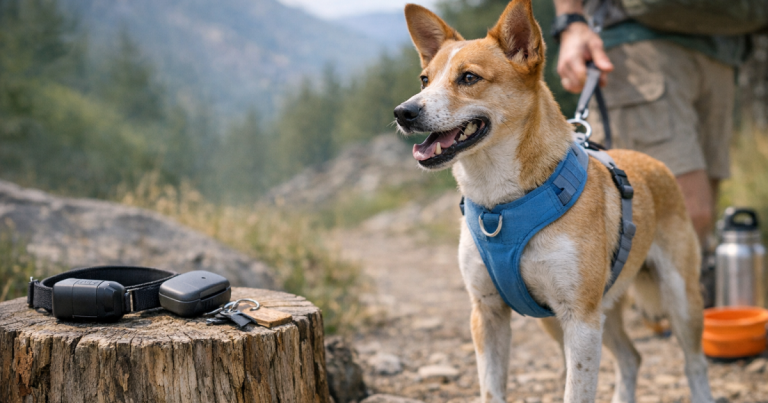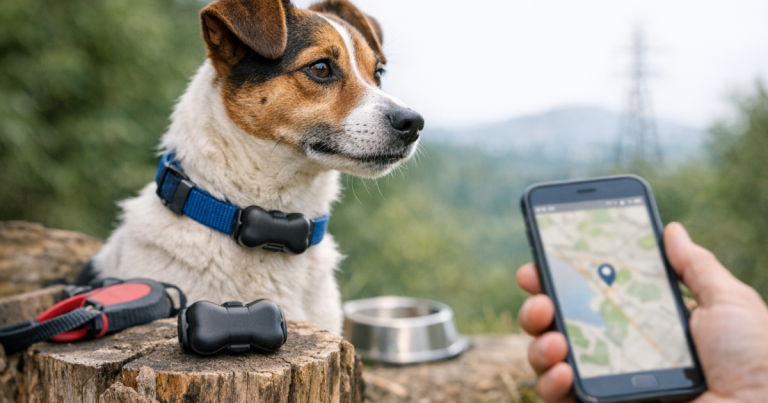
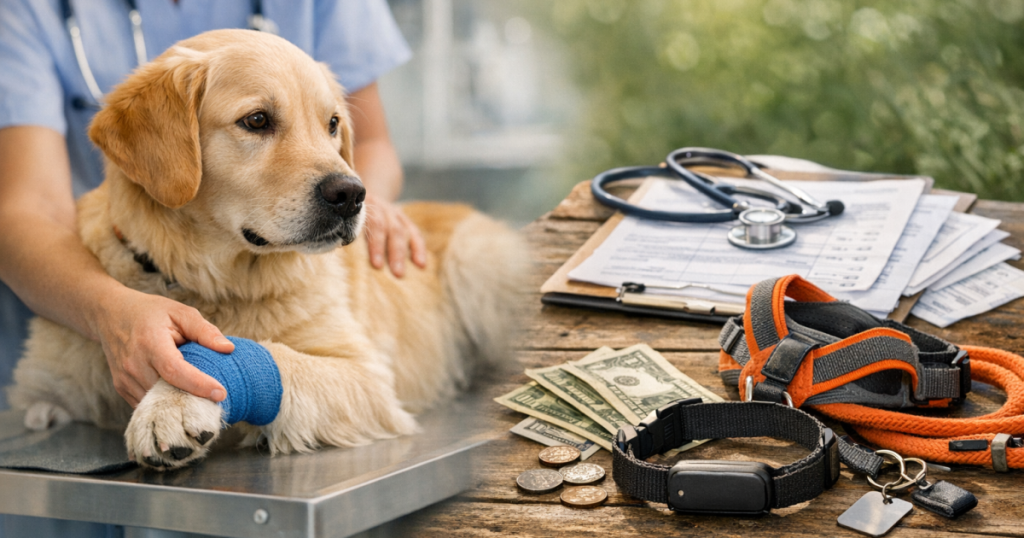
A missing-dog scare can turn into two hard problems at once: finding your dog fast and paying for care if the day ends at an emergency clinic. This ASPCA Pet Health Insurance review looks at the insurance side of that plan, not as a substitute for ID tags, training, or GPS tracking, but as a financial backstop when accidents, illnesses, or behavior-related problems create real veterinary bills.

ASPCA Pet Health Insurance
A strong fit for owners who want broad illness and accident coverage with flexible reimbursement choices
Veterinary diagnosis, treatment choices, and emergency care should be handled by a licensed veterinarian in line with state veterinary regulations and applicable standards of care.
For dog owners who already think in layers—secure collar, escape-resistant harness, updated ID, recovery plan, and a tracker where it fits—insurance belongs in the same conversation. It will not prevent a dog from slipping a leash or make a GPS signal more reliable. What it can do is reduce the financial pressure around eligible veterinary care after something goes wrong.
Product Details
- Product: ASPCA Pet Health Insurance
- Type: Pet insurance plans for veterinary expenses
- Coverage options: Accidents, illnesses, alternative therapies, behavioral issues, and congenital conditions
- Annual coverage limit: Unlimited
- Reimbursement options: 70%, 80%, or 90%
- Deductible options: $100 to $750
- Waiting period for accidents: 14 days
- Enrollment age limit: No upper age limit
- Pre-existing conditions: Curable conditions can be covered after 180 days without symptoms or treatment; knee and ligament conditions are excluded from that exception
Where it fits in a real dog-safety routine
ASPCA Pet Health Insurance is most useful when you see it as part of the aftercare plan, not the recovery tool itself. A cellular GPS tracker, visible ID tag, secure harness, and practiced recall routine help you locate and contain a dog. Insurance helps with eligible veterinary expenses when the incident becomes medical.
That distinction matters. A dog who bolts from a campground, tangles with wildlife, cuts a paw on a trail, or develops stress-related behavior after a frightening escape needs prevention and recovery planning first. If trailheads are one of your risk zones, build habits around leash transitions, car-door control, and crowd management before you rely on any product. Our guide to keeping your dog from bolting at busy trailheads is a good companion to this kind of financial planning.
The insurance role becomes clearer after the dog is safe: exam fees, treatment decisions, follow-up visits, and ongoing care can arrive quickly. Because this plan includes coverage options for accidents and illnesses, it speaks directly to that anxious window after a scare, when the question is not just “Where is my dog?” but “What happens if my dog is hurt?”
Coverage breadth is the main strength
The strongest reason to consider ASPCA Pet Health Insurance is the range of coverage options. Accidents and illnesses are the foundation, but the listed coverage options also include alternative therapies, behavioral issues, and congenital conditions. For many dog owners, that is more relevant than a narrow accident-only mindset.
Think about the kinds of cases that create uncertainty. A young dog who swallows something on a road trip, an older dog who develops an illness, or an anxious escape artist who needs behavioral support can all create different types of veterinary expenses. A policy with broader coverage options gives owners more room to handle varied problems under one insurance relationship.
The important editorial caveat is that coverage breadth does not mean every cost is automatically covered in every situation. Routine and preventive care often require additional wellness plans. Behavioral issues can depend on what the selected policy specifies. Coverage options include alternative therapies, behavioral issues, and congenital conditions. Cosmetic procedures such as ear cropping, tail docking, and claw removal are excluded, and breeding costs are not covered.
That makes this a better fit for owners who want help with meaningful veterinary costs around accidents, illness, and eligible health issues than for owners looking for a simple way to make routine care feel prepaid.
Unlimited annual coverage is reassuring for serious cases
The unlimited annual coverage limit is one of the most reassuring parts of this plan. In practical terms, an unlimited annual limit means there is no stated yearly cap on what the insurer will pay out under the policy year, subject to the policy’s terms and eligible expenses.
That matters most in the cases nobody wants to imagine. A single emergency can lead to diagnostics, treatment, medication, rechecks, and complications. For owners who travel with dogs, hike in remote areas, or manage a dog with a history of escaping, the absence of a fixed annual limit can reduce one layer of financial worry when eligible care becomes expensive.
It still does not make care free. You are working within reimbursement rates, deductibles, exclusions, waiting periods, and policy terms. But compared with a capped annual structure, unlimited annual coverage gives the plan a stronger safety-net feel for owners who are planning for the severe case rather than only the routine vet visit.
Reimbursement and deductible choices change the feel of the plan
ASPCA Pet Health Insurance offers reimbursement choices of 70%, 80%, or 90%, along with deductible options from $100 to $750. Those two settings shape how the policy feels in everyday ownership.
A higher reimbursement percentage can return a larger share of eligible veterinary expenses after the deductible and policy terms are applied. A lower deductible can make the plan feel more responsive when claims arise. On the other hand, owners who prefer to absorb more upfront risk often look for a higher deductible structure to shape the policy around larger events rather than smaller bills.
For a dog owner building a lost-pet preparedness plan, the key is to match the settings to the situation that would actually strain the household. If one unexpected emergency visit would be difficult, the deductible choice matters a lot. If the larger fear is a major illness or injury with ongoing care, the reimbursement rate and unlimited annual limit carry more weight.
This is also where the plan rewards owners who think ahead instead of reacting during a crisis. The best time to choose reimbursement and deductible settings is when the dog is healthy and calm at home, not when you are sitting in a clinic parking lot after a fence-jumping accident.
Waiting period, age, and pre-existing condition rules
The accident waiting period is 14 days. That is an important timing detail because insurance is not designed to cover an incident the moment a new policy is started. For owners who have just adopted a dog, started hiking more often, moved to a property with a weaker fence line, or noticed door-dashing behavior, waiting until after the first scare weakens the value of any insurance plan.
The enrollment age position is friendlier: there is no upper age limit. That is meaningful for owners of senior dogs, especially because older pets are more likely to develop health issues. A plan that allows older enrollment gives families another option when they did not insure a dog earlier in life.
Pre-existing conditions are the sharper edge. The plan does not cover active pre-existing conditions. Curable conditions can be covered after 180 days without symptoms or treatment, but knee and ligament conditions are excluded from that exception. For dogs with a medical history, this distinction can be the difference between a plan that feels useful and one that leaves a specific expected problem outside coverage.
Trade-offs that should shape the decision
ASPCA Pet Health Insurance has several real trade-offs. Coverage details can vary based on state regulations, policy terms can change over time, and premiums can increase as pets age. Clinic acceptance is not universal, which matters if you strongly prefer a particular veterinary practice or emergency hospital.
The plan is also not the cleanest match for owners who prefer policy management centered on a mobile app. That does not affect the underlying coverage facts, but it does affect the day-to-day experience for people who want every pet-care tool to live neatly on a phone.
For this site’s audience, the biggest practical point is that insurance should not replace prevention. If your dog is a flight risk, the first layer is still physical control, visible identification, and a recovery plan. A policy can help after an eligible health event; it cannot stop the event. For owners who want a stronger recovery routine, our guide to making lost dog flyers that generate useful sightings is worth building before there is an emergency.
Verdict
ASPCA Pet Health Insurance is a strong option for dog owners who want broad accident and illness coverage, an unlimited annual limit, flexible reimbursement choices, and the ability to enroll older pets. Its appeal is strongest for families who think realistically about emergencies: the dog who bolts from a trailhead, the senior dog with rising health risk, or the active dog whose next vet bill could be more than a routine visit.
The limitations are not minor. Pre-existing condition rules matter, routine and preventive care often require wellness add-ons, some coverage categories depend on plan specifics, and premiums can rise as pets age. It is also less compelling for owners who want a heavily app-centered policy experience.
Rating: 8.5/10.
ASPCA Pet Health Insurance
A strong fit for owners who want broad illness and accident coverage with flexible reimbursement choices
You might also like: FitBark GPS 2nd Gen.