Lost Dog Recovery
How Lost Dogs Behave and Where to Search First
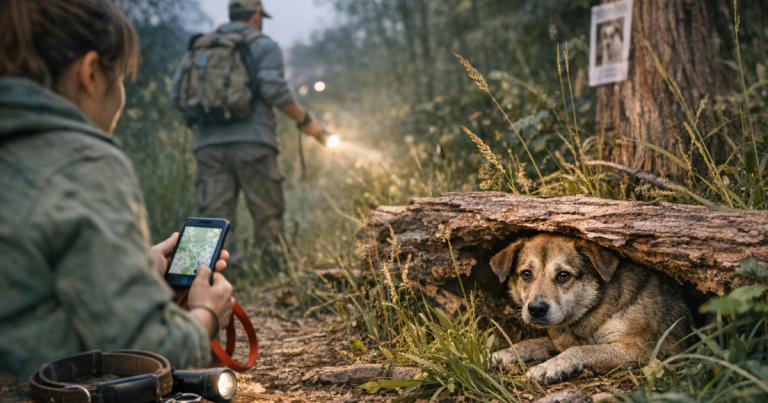
Most missing dogs follow patterns once panic sets in. Knowing those patterns helps you search smarter before time and scent fade.
Read article →
Author archive
Oliver Bennett covers dog tracking and lost-pet recovery, turning practical questions into clear explanations and useful decisions readers can act on.
Browse articles
Most missing dogs follow patterns once panic sets in. Knowing those patterns helps you search smarter before time and scent fade.
Read article →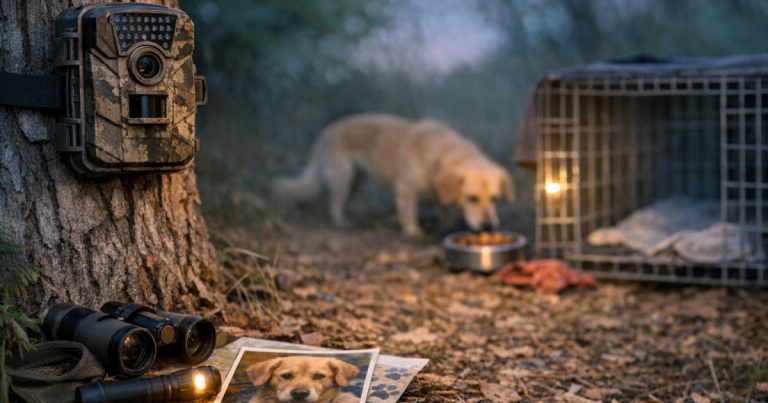
Quiet cameras can reveal where a scared dog returns after dark, helping you act with less panic and better timing.
Read article →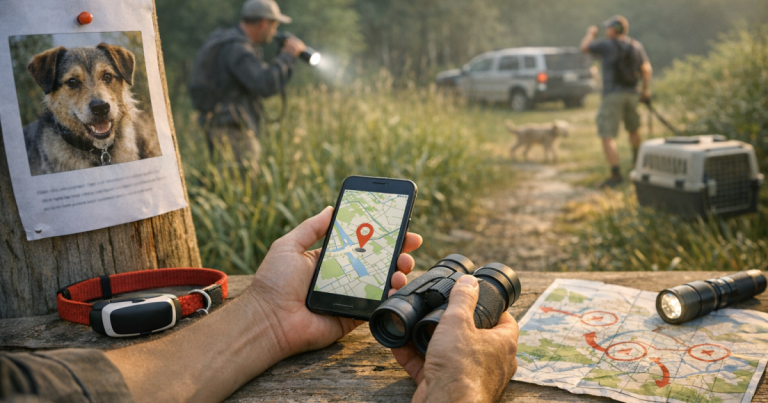
The first three days matter. Use calm steps for sightings, GPS pings, flyers, shelters, and safe searches without pushing your dog farther…
Read article →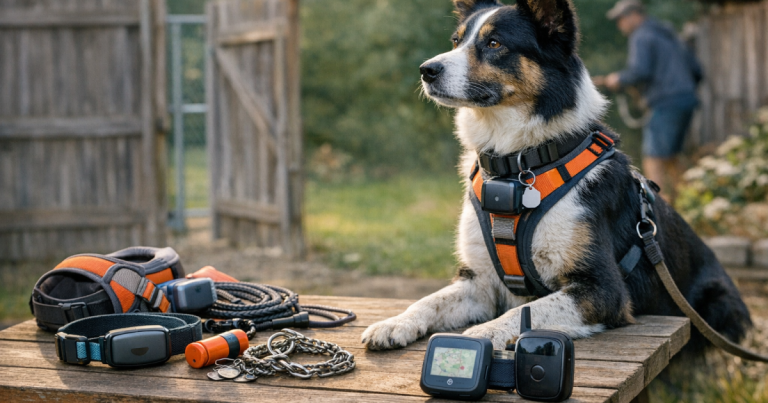
Door dashers, fence jumpers, and leash-slippers need layered protection, not one gadget. Here’s what to buy, test, and keep as backup.
Read article →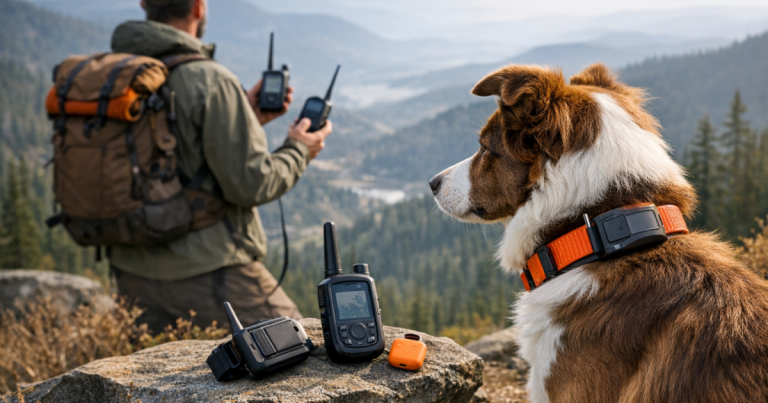
Weak coverage changes what “good tracking” means. Match your dog’s routine to cellular, radio, and backup recovery tools.
Read article →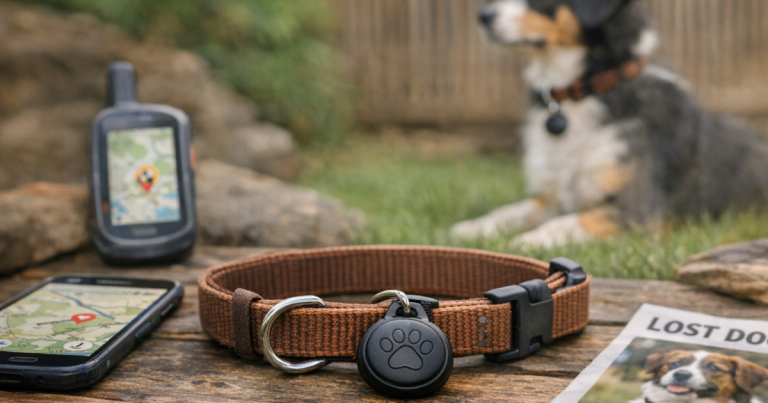
Good for close-range backup peace of mind, but not the tool to rely on when your dog disappears beyond the neighborhood.
Read article →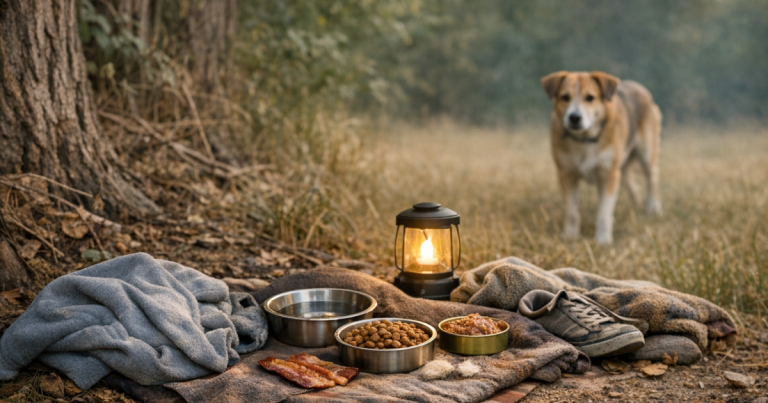
A familiar smell can help a frightened dog slow down, circle back, and choose a safe place to return.
Read article →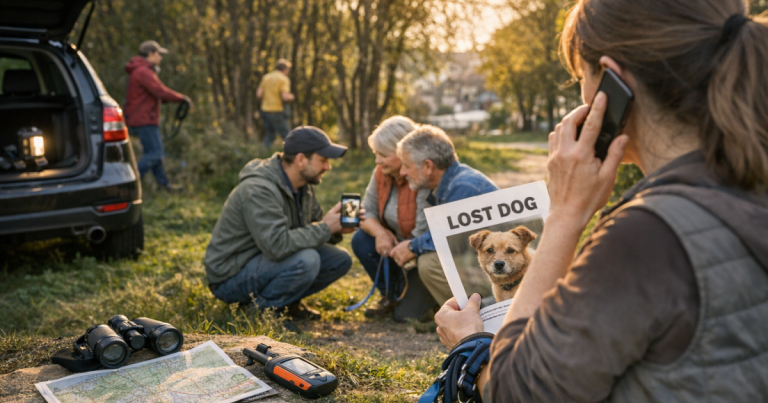
When your dog vanishes, the first hour matters. Use calm search steps, better signals, and a recovery plan that keeps people and…
Read article →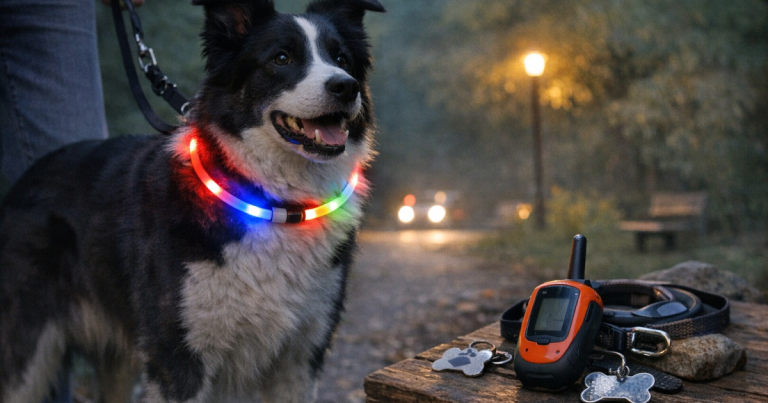
Dark walks are easier when your dog is easier to spot. Here’s where this LED necklace helps, and where it doesn’t replace…
Read article →