For the dog who slips through a side gate but usually stays near home, a Pawscout Smarter Pet Tag review has to begin with the most important distinction: this is a Bluetooth pet tracking tag, not a true GPS tracker. That does not make it useless. It simply changes the job it should be hired to do.
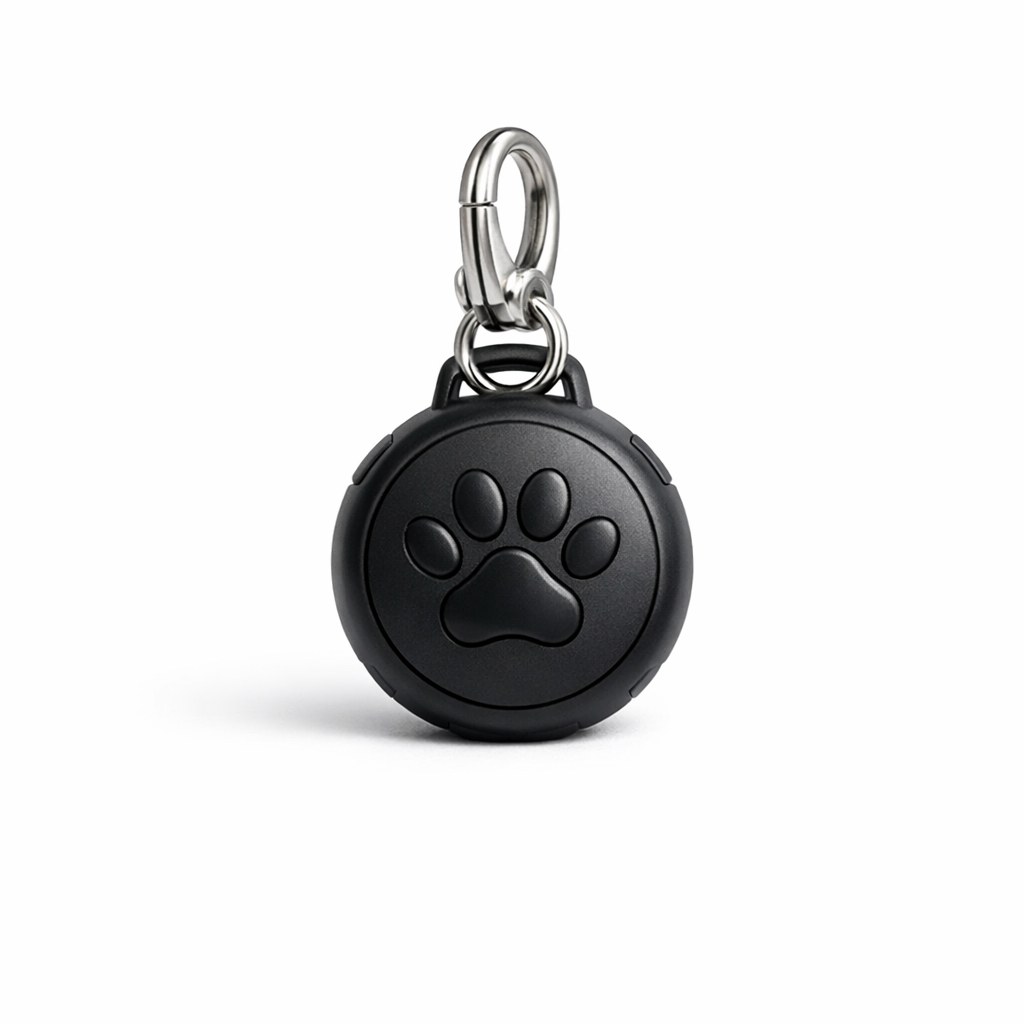
Pawscout Smarter Pet Tag
A sensible collar backup for close-range alerts and community sightings, but not a long-distance recovery tracker
Quick verdict: the Pawscout Smarter Pet Tag is best treated as a close-range backup and community-based safety layer. It can be helpful around the house, yard, apartment complex, dog park, or neighborhood, but it is not the right primary tracker for dogs who roam far, run in rural areas, or need real-time GPS location over longer distances.
Product overview
The official product identity is the Pawscout Smarter Pet Tag from Pawscout. It is a pet tracking tag, not a GPS collar, hunting handheld system, or cellular tracker. That matters because many lost-dog scares unfold in two very different ways.
In the first scenario, your dog is nearby but out of sight: behind a neighbor’s fence, circling the apartment courtyard, hiding under a deck after a loud noise, or wandering just beyond your usual walking route. A Bluetooth-based tag can make more sense in that kind of close-range search because its role is to help within a limited distance.
In the second scenario, your dog is gone beyond the immediate area: across fields, down a road, through woods, or out of town while traveling. That is where Bluetooth becomes a major constraint. Pawscout’s confirmed Bluetooth range is 300 feet outdoors, and the product’s community tracking depends on the presence of other Pawscout App users in the area.
So the most practical way to think about the Pawscout Smarter Pet Tag is as a backup layer, not a replacement for ID tags, safe fencing, recall practice, or a true GPS tracker. For a dog with a history of door-dashing or long-distance escapes, it should sit behind stronger recovery tools in your plan.
Key specifications
The confirmed details are limited but useful. These are the product facts that matter most for a dog owner deciding whether the tag fits their recovery setup:
- Product type: Pet tracking tag.
- Bluetooth range: 300 feet outdoors.
- Water resistance: IPX7.
- Battery type: CR2032.
- App compatibility: iOS and Android.
- Community network: Pawscout App users.
- US market status: current in the US market, with availability through the official Pawscout website and various US retailers.
Those details paint a clear picture. Pawscout is aiming at a lower-complexity tracking tag experience built around Bluetooth and a user community, rather than a cellular GPS collar that follows a dog over extended distances.
Pros, trade-offs and limitations
What works in its favor
- Useful for nearby searches: A 300-foot outdoor Bluetooth range can be meaningful when the dog is still close to home, the car, the campsite, or the dog park entrance.
- Works with iOS and Android: Pawscout’s confirmed app compatibility covers both major phone platforms, which helps in households where family members use different devices.
- IPX7 water resistance: The confirmed water resistance rating is reassuring for ordinary wet-dog situations like rain, damp grass, puddles, and messy walks.
- Community-based potential: The Pawscout App user network can expand the usefulness of the tag beyond your own phone’s immediate Bluetooth connection when other users are nearby.
- Simple backup role: For owners who already use engraved ID and good leash routines, it can add another recovery clue without turning the collar into a full GPS system.
The trade-offs to take seriously
- It is limited by Bluetooth range: Pawscout’s documented range is approximately 300 feet outdoors, which is not enough for many real escape scenarios.
- It is community-dependent beyond your own range: The broader tracking value relies on nearby Pawscout App users, so usefulness can vary by location and user density.
- It is not for extended-distance GPS tracking: Pawscout is not suitable for owners who need real-time GPS tracking over long distances.
- No tracker is a recovery guarantee: Even a well-chosen tag or collar should be paired with visible ID, updated contact details, secure routines, and a clear lost-dog response plan.
The biggest mistake would be buying it for the wrong reason. Pawscout makes more sense as an everyday backup tag for close-range uncertainty than as the device you count on when a fast dog covers blocks, roads, or wooded ground.
Performance and buying implications
Because the confirmed evidence centers on range, water resistance, app compatibility, and the community network, the buying implications are fairly direct.
Range is the deciding factor. A 300-foot outdoor Bluetooth range can be enough to help when your dog is still nearby but hidden. Picture a beagle nosing through shrubs after slipping out during groceries, a small terrier wandering between townhome patios, or a nervous rescue dog backing away at a park. In those moments, a close-range tag can reduce guesswork.
That same range becomes much less comforting if your dog tends to bolt. A young husky, hound, livestock guardian breed, or fence-jumper can move far beyond 300 feet quickly. For that kind of dog, the Pawscout Smarter Pet Tag is better viewed as one layer, not the core of your recovery strategy. If your main concern is phone-based GPS tracking over longer distances, compare it with a true GPS option such as the Tractive GPS Tracker before deciding.
Water resistance is a genuine plus for ordinary dog life. IPX7 is a meaningful confirmed rating for a collar tag that may meet rain, wet grass, muddy trails, or a dog who treats every puddle like a personal invitation. It does not turn the tag into a magic safety device, but it does support its role as an everyday collar accessory.
App compatibility is broad enough for most households. Pawscout lists compatibility with iOS and Android, which matters when more than one person helps with walks, dog-sitting, or lost-dog response. A tracker that only works for one family member can slow things down during a stressful search.
The community network is helpful but uneven by nature. Pawscout’s network depends on Pawscout App users. In a dense neighborhood with active users nearby, that could be more useful than in a remote rural area where few people are running the app. This is not a flaw so much as the defining limitation of community-based Bluetooth tracking.
The practical buying takeaway: do not compare Pawscout directly against field collars or cellular GPS trackers as if they perform the same job. Compare it against other backup tags, ID layers, and close-range recovery aids.
Who it’s best for / who should skip it
Best for
- Dog owners who want a simple backup tag for close-range searches.
- Dogs who are more likely to linger nearby than run for miles.
- Urban or suburban owners who may benefit from nearby Pawscout App users.
- Households that need iOS and Android compatibility.
- Owners who already understand that ID tags and prevention routines still matter.
Better to skip it if
- Your dog has a history of long-distance escapes.
- You need real-time GPS tracking over extended distances.
- You hike, camp, hunt, or travel often in areas where Bluetooth and community networks are unlikely to help much.
- You want one primary recovery tool for a high-risk escape artist.
- You are choosing a tracker for rural property coverage rather than close-range neighborhood backup.
If your dog is small, also think carefully about collar comfort and tag placement. The confirmed evidence does not provide weight or size details, so the safest editorial interpretation is simply that fit should be part of the decision for toy breeds, puppies, and dogs who dislike extra collar hardware.
Alternatives
If you like the idea of a collar-mounted backup but are comparing non-GPS tag approaches, an Apple AirTag setup is another route many dog owners consider. The tag itself is only part of that decision; the collar mount matters because a loose or awkward holder can make any backup tag less useful. Our guide to choosing an AirTag holder for your dog’s collar explains the fit and attachment questions to think through.
If the real need is longer-distance tracking, a true GPS tracker is the more appropriate comparison category. Pawscout is not positioned for extended-distance, real-time GPS recovery, so owners of runners, rural dogs, and frequent travel companions should make that distinction before buying.
Helpful questions
Is the Pawscout Smarter Pet Tag a GPS tracker?
No. It is a Bluetooth pet tracking tag with community-based tracking through Pawscout App users. It should not be treated as a true GPS tracker.
How far can it track my dog?
Pawscout lists a Bluetooth range of 300 feet outdoors. Beyond your own Bluetooth range, usefulness depends on nearby Pawscout App users.
Does it work with both iPhone and Android phones?
Yes. Pawscout lists app compatibility with iOS and Android, which is helpful for mixed-device households.
Is it suitable for rainy walks?
The tag has a confirmed IPX7 water resistance rating, which supports everyday use around wet grass, rain, and normal outdoor mess.
Can this replace an engraved ID tag?
No. A smart tag should add another recovery layer, not replace visible identification with your current contact information.
Verdict + score
The Pawscout Smarter Pet Tag is a sensible backup for close-range lost-dog situations, apartment living, neighborhood walks, and owners who want a Bluetooth-based safety layer without mistaking it for GPS. Its strengths are clear: 300 feet of outdoor Bluetooth range, IPX7 water resistance, iOS and Android compatibility, and a community network built around Pawscout App users.
Its limitations are just as important. It is not suitable for real-time GPS tracking over extended distances, and the community feature depends on other Pawscout App users being nearby. For low-to-moderate escape risk, it can be a useful part of a layered recovery setup. For high-risk runners, rural dogs, or travel situations where distance matters, it should not be the main tracker. Score: 7.0 out of 10.
Final thoughts
Overall, Pawscout Smarter Pet Tag earns a score of 7/10. It is a strong option for readers who want the benefits discussed above, while still being worth comparing against the alternatives before buying.
Pawscout Smarter Pet Tag
A sensible collar backup for close-range alerts and community sightings, but not a long-distance recovery tracker
You might also like: How to Use Trail Cameras to Find a Lost Dog.