A loose dog can cover a shocking amount of ground in the few seconds it takes to clip a leash, unload at a trailhead, or greet another dog. Teaching an emergency recall gives you one clear, heavily rewarded cue reserved for moments when your normal “come” may not be enough.
It is not a license to skip leash laws or rely on luck. Think of it as one layer in a safer routine, alongside good fit, backup identification, and careful choices about where your dog earns freedom.
Behavior assessment and off-leash readiness decisions for dogs with a bite history, severe fear, or repeated bolting should be handled by a qualified trainer or veterinary behavior professional, and all practice must comply with local leash laws, park rules, and safety requirements.
The short version
The goal is not to shout louder; it is to build a cue so valuable and predictable that your dog turns toward you before thinking through the distraction.
- Pick a unique word or whistle pattern you do not use casually.
- Pay it like a jackpot every time during training.
- Practice on a long line before testing any open space.
- Keep a tracker and ID as recovery backups, not permission to take bigger risks.
Step 1: Choose a cue your dog has never heard casually
Your everyday recall cue may already carry baggage. Maybe “come” has meant bath time, leaving the dog park, or getting clipped to the leash after fun. For an emergency recall, choose something fresh: “Now,” “Here fast,” “Rocket,” or a distinct whistle pattern can all work if you can say or produce it clearly under stress.
Use one cue only. Do not repeat it three times, add your dog’s name before it sometimes, or mix it with “come here.” The cleaner the signal, the easier it is for your dog to understand that this one sound always predicts something unusually good.
Step 2: Make the first week almost too easy
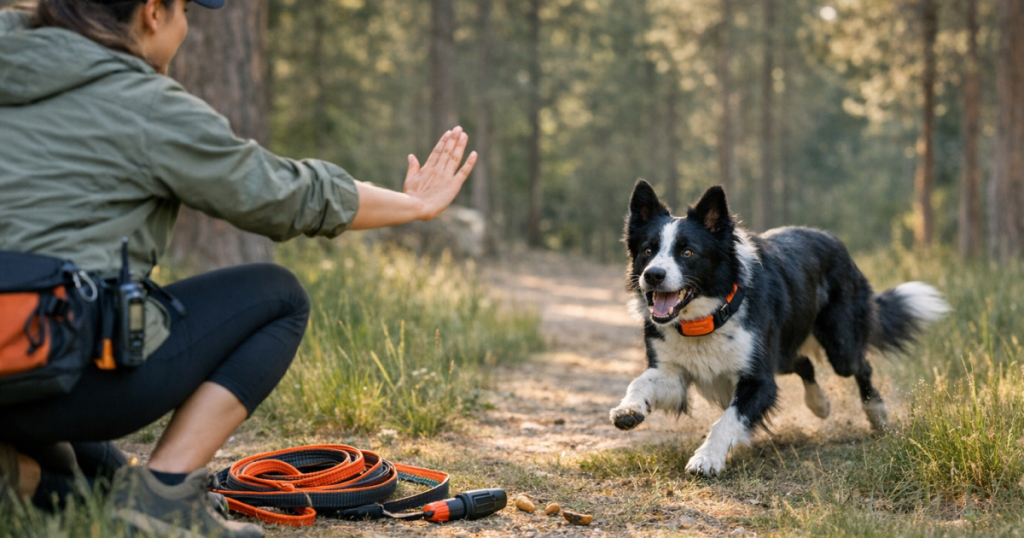
Start indoors, when your dog is not distracted and is only a few feet away. Say the cue once in a bright, calm voice. The instant your dog turns toward you, praise and deliver a true jackpot: several tiny treats in a row, a favorite toy, or a short burst of play.
For the first few days, do not use the cue when your dog is sniffing wildlife, playing chase, or deciding whether to bolt through a door. You are charging the word, not testing it. A good early session might be five repetitions in the kitchen, then stop while your dog still wants more.
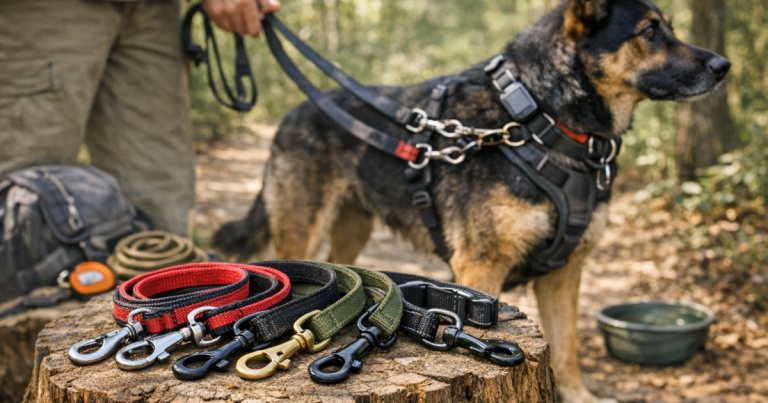
If your dog is escape-prone at doorways or gets frantic before walks, tighten the routine around the leash first. A calm exit pattern and a backup attachment can reduce rehearsals of bolting; this two-leash setup for escape-prone dogs is a useful companion skill before you add more freedom.
Step 3: Pay like it mattered, even when it was easy
The emergency cue should never become background noise. Every correct response gets paid generously, even if your dog only moved from the couch to your knees. That consistency is what keeps the cue powerful later when the stakes are higher.
Use rewards your dog would choose over the environment. For many dogs, that means soft, smelly treats cut into tiny pieces. For others, it might be a tug toy, a tossed ball, or permission to run back to sniffing after they check in. The point is not the object; it is the emotional message: “Turning back to you is always worth it.”
Avoid using this cue to end every good time. If your dog races back and immediately loses freedom, the cue can start to feel like a trap. Instead, practice “call, reward, release” often. Call your dog, celebrate, clip the leash briefly if needed, then release them back to safe fun when the situation allows.
Step 4: Move to a long line before open space
Once the cue works indoors and in your yard, graduate to a quiet outdoor area with a 15- to 30-foot long line attached to a comfortable harness. The line is not for yanking your dog back. It is a safety net that prevents a failed repetition from turning into a chase.
Let your dog drift, sniff, and look around. Say the cue once. If they turn, reward heavily. If they do not, gently shorten the line without scolding, reset closer to you, and make the next repetition easier. A failed attempt usually means the environment was too hard, the reward was not strong enough, or the dog needs more practice at shorter distance.
Work through realistic distractions in layers: quiet sidewalk, empty ball field, trailhead parking lot from a distance, then areas where squirrels, bikes, or other dogs may appear. Do not jump from the living room to a busy unfenced park and expect the same result.
Step 5: Add a safety routine around every off-leash decision
Before unclipping a leash, pause for a quick risk scan. Is the area legally off-leash? Are there roads, deer, livestock, steep drops, icy footing, or children with food nearby? Is your dog already overexcited? A dog who cannot think at the gate is not ready to make good choices once free.
Use a simple pre-release checklist:
- Collar or harness is fitted securely and cannot slip over the head.
- ID tag is current and readable.
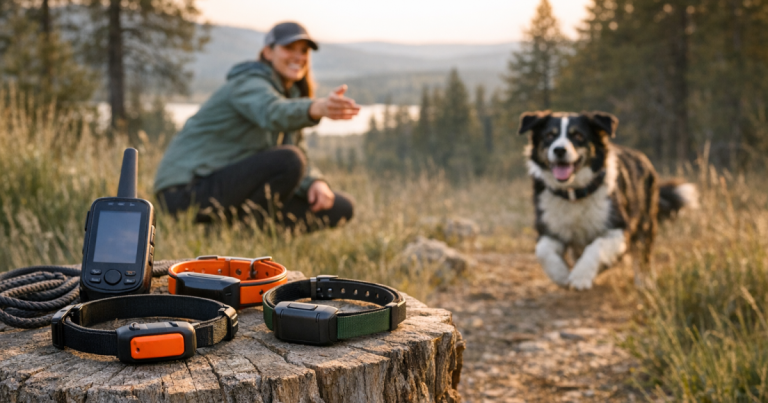
- GPS tracker, if used, is charged, attached correctly, and showing a recent location.
- Your reward pouch is loaded before you unclip.
- You have an exit plan if another dog, wildlife, or a loud noise appears.
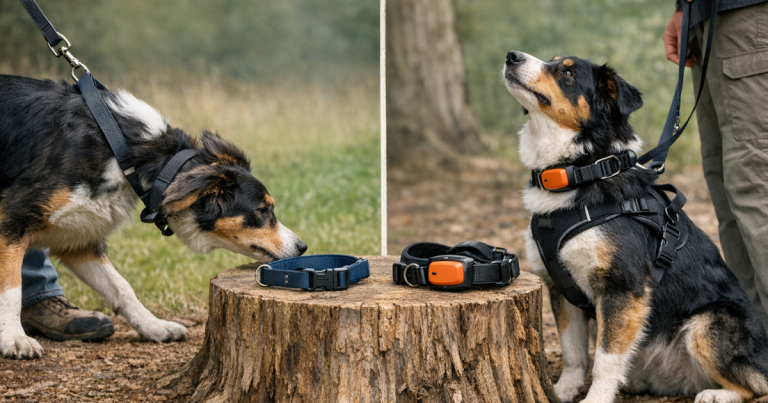
A tracker is a backup, not a guarantee. Cellular coverage, battery level, terrain, and collar fit can all affect how useful it is during a real search. If your dog wears one, review how to fit a GPS dog collar safely so the device stays secure without rubbing or restricting movement.
Step 6: Practice the moments that actually cause escapes
Most recalls fail in predictable scenes: the dog spots a rabbit, rushes toward another dog, hesitates near a parking lot, or realizes the leash is about to go back on. Build practice around those moments before you rely on the cue.
At the trailhead
Keep your dog leashed at first. Walk a few yards from the car, say the cue, reward, and continue the walk. This teaches that coming back near the vehicle does not always mean the adventure is over.
Near other dogs
Start far enough away that your dog can notice another dog without pulling or freezing. Cue once, reward, and move away if needed. Distance is your friend. Practicing too close too soon teaches your dog to ignore you.
After sniffing
Let your dog investigate a safe scent patch, then cue and reward. Release them back to the same spot when possible. This builds trust because the recall does not always steal the thing they wanted.
When clipping the leash
Clip the leash, feed several treats, then sometimes unclip again in a safe area. If leash clipping only predicts the end of freedom, smart dogs start dodging hands.
Step 7: Know when not to unclip
Good training includes saying no to tempting situations. Keep the leash on if your dog has had little exercise and is explosive, if wildlife is active, if storms or fireworks are nearby, or if you are in a new place with unknown exits. Dogs do not need off-leash time in every environment to have a rich life.
For fence-jumpers, scent-driven hounds, adolescent dogs, newly adopted dogs, and dogs with a history of disappearing, months of long-line practice may be a safer bridge than sudden freedom. Reliable recall is built through thousands of small wins, not one brave test.
If your dog ignores the cue
Do not chase unless immediate danger leaves no other choice. Chasing can turn the situation into a game or push a frightened dog farther away. Instead, lower your body, turn sideways, use happy movement away from the dog, or drop to the ground if that is likely to draw curiosity. If your dog comes back, reward them. Do not punish the return, even if your heart is pounding.
If a dog is truly lost, behavior can change quickly. Some dogs hide, circle back, follow scent trails, or avoid even familiar people when scared. Knowing how lost dogs behave and where to search first can help you act calmly instead of guessing in the moment.
Helpful questions
How long does it take to train a reliable emergency cue?
Many dogs understand the game within a week, but reliability around wildlife, other dogs, and open space takes much longer. Plan on steady practice over weeks or months, not a single weekend.
Should I use a whistle instead of a word?
A whistle can be useful because it sounds consistent and carries well, but it still needs the same reward history. Do not assume the sound matters more than the training behind it.
Can I use the cue every day?
Yes, but use it intentionally and pay it well every time. If it becomes a casual household command, it can lose the special value you need in a real emergency.
What if my dog only comes when I have treats?
Hide the setup better rather than removing rewards too fast. Keep treats in different pockets, reward from surprise locations, and occasionally use play or release back to sniffing as part of the payoff.
Is a GPS tracker enough for off-leash walks?
No. A tracker can help with recovery, but it cannot stop a dog from reaching traffic, wildlife, or unsafe terrain. Training, leash judgment, ID, and location awareness still matter.
What to remember
An emergency recall is a safety habit built before the scary moment, not during it. Choose a unique cue, protect its meaning, reward generously, and rehearse in small steps until your dog has a long history of turning back toward you.
The safest off-leash dogs are not the ones with the fanciest gear or the loudest owners. They are the dogs whose freedom is layered with training, smart routines, readable ID, realistic backup plans, and people who are willing to keep the leash on when the situation is not right.