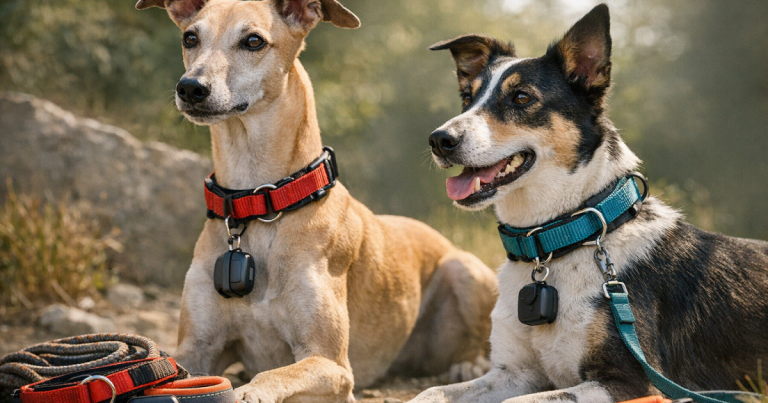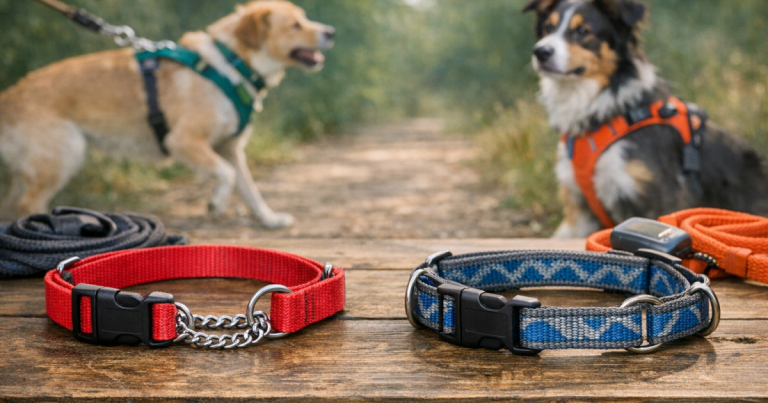
A secure GPS dog collar fit keeps the tracker readable, the collar comfortable, and your dog safer when a gate swings open or a leash clip fails. The goal is not to make the collar tight; it is to stop twisting, slipping, chewing, and pressure points while leaving your dog room to move and breathe.
Think of fitting the collar as part of your recovery plan, not just a setup chore. A tracker that dangles under the chin, slides behind the shoulder, or disappears into heavy fur can still be attached, but it may not stay useful when your dog is sprinting, rolling, swimming, or squeezing through a fence gap.
Main points before you start
- The collar should sit high enough on the neck to stay stable, but not so high that it presses into the throat.
- You should usually be able to slide two fingers between the collar and your dog’s neck, adjusting for very small, very large, or thick-coated dogs.
- The tracker should not hang like a loose tag unless the device is designed for that style of attachment.
- Check fit while your dog is standing, sniffing, eating, lying down, and turning their head.
- Recheck after grooming, weight changes, puppy growth, seasonal coat changes, and long outdoor days.
Step 1: Start with the collar your dog already tolerates well
If your dog scratches at a new collar, freezes when it is clipped on, or constantly tries to mouth the tracker, the setup may fail before it ever helps you during an escape. Begin with a collar style your dog can wear calmly for everyday movement. For many dogs, that means a flat buckle or quick-release collar with enough width to spread pressure without overwhelming the neck.
Look closely at the collar before adding the GPS unit. Replace collars with frayed stitching, cracked plastic, bent D-rings, weak buckles, or stretched holes. A tracker adds weight and movement, so a worn collar that seemed fine for ID tags may not be reliable once extra hardware is attached.
For dogs that back out of collars, pull hard, or have narrow heads, consider whether the tracker belongs on a separate well-fitted collar while leash walking happens from a harness. The tracking collar can carry the device and ID, while the harness handles leash pressure. That separation can reduce strain and keep the tracker from being dragged around by leash movement.
Step 2: Measure the neck in the place the collar will actually sit
Use a soft measuring tape around the part of the neck where the collar rests during normal wear. Do not measure low on the shoulders if you intend the collar to sit higher, and do not measure tightly against the skin. Fur, breathing, panting, and neck movement all need room.
If you do not have a soft tape, use a strip of ribbon or string, mark the overlap, and measure it with a ruler. For dogs with heavy coats, part the fur lightly so you are measuring the neck shape rather than just the top layer of fluff. After a haircut or seasonal shed, check again; a collar that was snug through winter coat can become loose enough to slip when that bulk is gone.
Puppies need more frequent checks. A collar can become tight surprisingly quickly during growth spurts, especially when a tracker mount hides part of the strap from view. Make collar checks part of feeding, brushing, or evening routine so you notice changes before they create rubbing or pressure.
Step 3: Use the two-finger check carefully
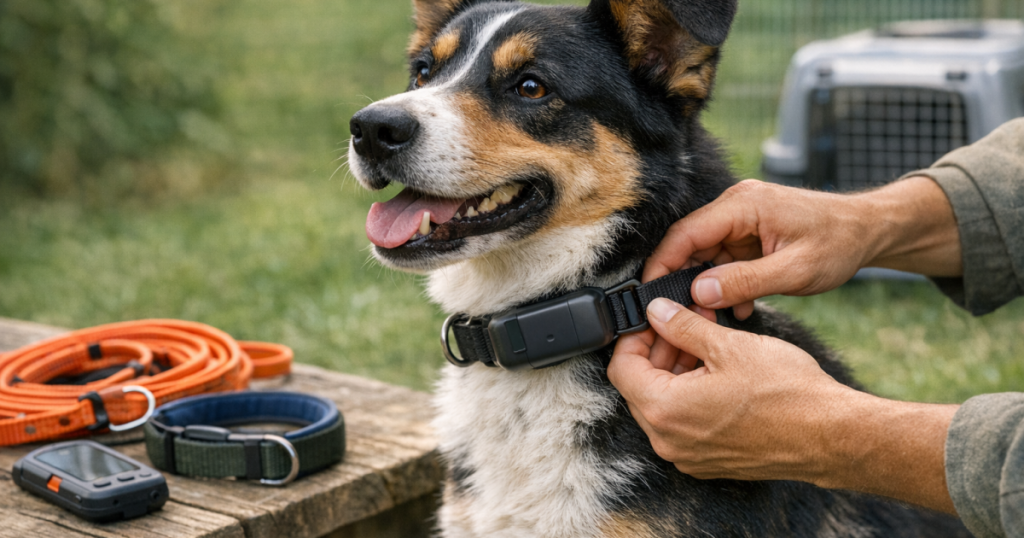
The two-finger rule is a helpful starting point, but it is not perfect for every dog. Slide two fingers flat between the collar and the neck. You should feel light contact, not a gap wide enough for the collar to spin freely and not pressure that traps your fingers.
Adjust the rule by dog size
- For toy and small breeds, two adult fingers may be too generous. Use a smaller finger-width check and watch for slipping over the head.
- For large, thick-necked dogs, two fingers may feel snug while still leaving safe breathing room. Check movement and skin contact, not just finger count.
- For dogs with loose neck skin, test while they are standing and looking down, because folds can change how the collar sits.
- For long-coated dogs, press gently through the coat and recheck after the collar has settled for a few minutes.
Small dogs are where fit mistakes show up fastest because the tracker may take up more space relative to the neck. If you are working with a lightweight breed and still deciding which device style makes sense, the guide to GPS trackers for small breeds explains why size, attachment style, and comfort matter as much as tracking features.
Step 4: Place the tracker where it will stay stable
Tracker placement depends on the device and attachment style, but the principle is simple: reduce swinging and twisting. A tracker that rotates under the throat can get bumped while your dog eats, digs, or lies down. A tracker that sits too far to the side may snag on brush, crates, or furniture.
Many collar-mounted devices sit most securely on the back or side-back of the neck, where movement is lower and the dog is less likely to chew it. If the tracker attaches to an existing collar, make sure the mount grips the strap firmly and does not slide each time your dog shakes. If the device is built into a smart collar, adjust the strap so the collar does not rotate freely around the neck.
Do not attach the tracker to a dangling ID ring unless the manufacturer designed it for that use. Hanging hardware can bounce, make noise, hit water bowls, and tempt dogs that chew. It can also drag the collar down, making a once-good adjustment behave like a loose one.
Step 5: Run a five-minute indoor movement test
Before your first walk, watch your dog in the house or yard for a few minutes. This is not just about comfort; it helps reveal the little failures that happen before a collar slips during a real scare.
- Have your dog walk, trot, turn, sit, lie down, and shake off.
- Offer a treat low to the ground so they stretch their neck downward.
- Watch whether the tracker rotates under the chin or bumps the lower jaw.
- Check whether the collar rides up into the throat when your dog looks up.
- Look for scratching, pawing, head ducking, or repeated attempts to chew the device.
After the movement test, remove the collar and check the skin and coat. A temporary part in the fur is normal. Redness, dents, broken hair, dampness trapped under the device, or a hot spot means the setup needs adjustment before longer wear.
Step 6: Test the fit in the escape scenario you worry about most
A calm living room check is only the first pass. The collar also needs to behave well in the situation that made you want tracking in the first place. A door-dasher may twist hard at thresholds. A fence-jumper may scrape the collar along boards or chain link. A hiking dog may crash through brush, swim, or roll in leaves.
Use a leash, long line, or fenced space and safely recreate mild versions of those movements. Watch what happens when your dog accelerates, turns sharply, sniffs along a fence line, or ducks under low branches. If the tracker shifts every time your dog changes direction, tighten the strap slightly within comfort limits or choose a more stable attachment point.
For dogs that repeatedly clear fences, collar fit is only one layer. Fence height, launch points, supervision, recall practice, ID, and tracker type all matter. The article on choosing a GPS collar for a fence-jumping dog goes deeper into matching the setup to that specific behavior.
Step 7: Keep ID separate from tracking
A GPS collar can help you locate your dog, but it should not be the only way someone can help them get home. Batteries can run down, cellular service can be weak, a device can detach, and not every finder will know how to handle a tracker. A readable ID tag or personalized collar remains important.
Try to keep ID hardware from interfering with the tracker. If tags clank against the device, move them to a different ring, use a flat slide-on ID, or place backup ID on a second collar or harness. The goal is a quiet, stable setup that still gives a neighbor, hiker, or animal shelter an immediate way to contact you.
Step 8: Recheck after real-world wear
The best fit at 8 a.m. may not be the same after swimming, rain, mud, rolling, or a long car ride. Webbing can absorb moisture, coats can flatten, and dogs can scratch at unfamiliar hardware. After the first few outings, inspect the collar more often than you think you need to.
- Check under the tracker for trapped grit, burrs, or moisture.
- Look at the edges of the collar for rubbing behind the ears or near the throat.
- Confirm the buckle has not loosened by one notch or hole.
- Make sure the tracker mount has not slid along the strap.
- Clean and dry the collar according to the maker’s instructions before putting it back on.
For active dogs, build a quick check into your routine before road trips, hikes, boarding, dog park visits, and holiday gatherings. Those are the days when doors open often, routines change, and a tracker is most likely to be tested in real life.
Fit clues by dog type
Small dogs
Small dogs need extra attention to bulk. A collar can be technically adjustable but still uncomfortable if the tracker dominates the neck or limits head movement. Watch for the device hitting the chest when your dog lowers their head or pressing into the jaw when they curl up to sleep.
Thick-coated dogs
Heavy fur can hide a loose collar. Part the coat and check the strap against the neck, then watch whether the tracker stays visible and stable after your dog shakes. After grooming, remeasure instead of assuming the old setting still works.
Sighthounds and narrow-headed dogs
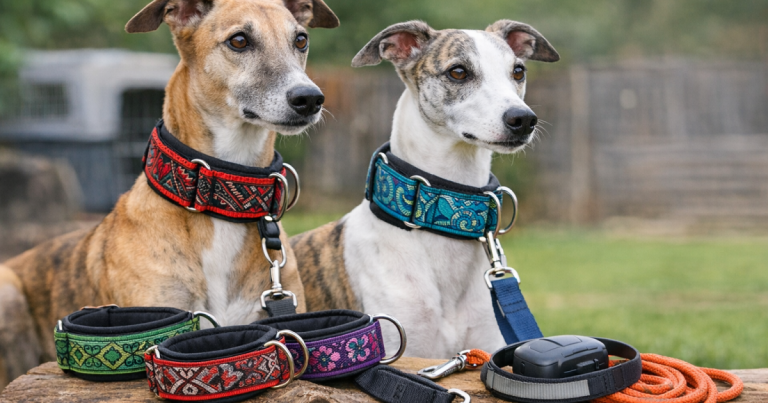
Dogs with slim heads and deep necks may slip out of standard collars more easily. A tracker collar should not be used as the only restraint if your dog can back out under leash pressure. Use a properly fitted walking setup and keep the tracker collar for identification and location support.
Water-loving dogs
After swimming or heavy rain, remove the collar when safe and check for dampness under the device. Even water-resistant gear can trap moisture against the skin if it stays in one place for hours.
What to do if the collar comes off during a scare
If your dog escapes and the tracker shows one spot but your dog is no longer there, treat the collar location as a clue, not the whole answer. Search nearby cover, quiet edges, familiar routes, and places where a frightened dog could hide. Dogs do not always keep moving in a straight line after losing gear.
Have a response plan ready before you need it. The first 72 hours of a lost dog recovery plan are especially important because calm, organized action can keep you from wasting time on scattered searching.
Questions people ask
How tight should a GPS dog collar be?
It should be snug enough that it does not spin freely or slip over the head, but loose enough for comfortable breathing, swallowing, and neck movement. Use the two-finger check as a starting point, then confirm during movement.
Can my dog wear a GPS collar all day?
Many dogs can wear tracking collars for extended daily use, but the skin still needs regular checks. Remove the collar for inspections, cleaning, drying, and rest periods based on your dog’s coat, activity, and comfort.
Where should the GPS tracker sit on the collar?
For most collar-mounted devices, a stable position on the back or side-back of the neck reduces swinging and chewing. Avoid placements where the tracker bumps the jaw, presses into the throat, or hangs like a loose tag.
How often should I check GPS dog collar fit?
Check it weekly for adult dogs and more often for puppies, recently groomed dogs, dogs gaining or losing weight, and dogs that swim or hike. Also recheck before travel or any high-escape-risk outing.
Should the leash clip to the GPS collar?
Only clip a leash to that collar if it is designed and fitted for leash pressure. Many owners use a harness for walking and a separate tracking collar for location support, which can reduce pulling stress on the device.
What stands out
Safe fit is the quiet part of dog tracking that matters when things go wrong. A comfortable, stable collar gives the tracker a better chance of staying with your dog through running, hiding, weather, and rough movement. It also keeps the setup humane for everyday wear, which is what makes owners more likely to use it consistently.
No tracker, collar, tag, or app can promise a guaranteed recovery. But a well-fitted collar, readable backup ID, tested routines, and a clear search plan can turn a frightening escape into a more manageable situation. Start with the neck, watch the dog move, recheck often, and treat fit as part of your lost-pet prevention routine.