When a dog bolts from a trailhead, slips a collar at a rest stop, or vanishes through a gate left open for ten seconds, the first few minutes feel louder than they should. The best lost dog recovery kit is not a box of dramatic rescue gear. It is a calm, ready-to-grab system that helps you identify your dog, contact the right people, search safely, and avoid wasting time while everyone is scared.
A good kit should live where you can actually reach it: near the door, in the car, or in your hiking pack. It should also match the way your dog is most likely to get loose. A fence-jumper, a scent-driven hound, a nervous rescue dog, and a road-trip companion do not need identical setups.
At a glance
- Start with identification. Keep current photos, microchip details, tag information, and proof of ownership together.
- Use tracking as one layer, not the whole plan. GPS and Bluetooth devices can help, but coverage, battery level, terrain, and fit all matter.
- Prepare messages before you need them. A ready flyer template and contact list can save valuable time.
- Pack for safe searching. Visibility gear, a spare leash, water, and simple first-aid supplies are more useful than complicated gadgets.
- Update the kit often. An old phone number or puppy photo can slow recovery when speed matters most.
What a recovery kit needs to do
A recovery kit has four jobs: prove which dog is missing, spread accurate information quickly, support a safe search, and help you bring the dog home once found. Buying more gear is not the goal. Reducing confusion is.
That distinction matters because panic creates bad decisions. One person posts an outdated photo. Another runs after the dog and pushes them toward traffic. Someone else assumes the GPS collar is enough, only to learn that the battery is low or the area has weak service. The kit keeps everyone working from the same plan.
Prevention still comes first. If your dog tends to twist away during gear changes, review the leash-handling routines in this guide to preventing leash-transfer escapes during hikes. A recovery bag is valuable, but the cheapest lost-dog scare is the one you prevent.
The core items to pack before anything goes wrong
Current photos from several angles
Store clear, recent photos on your phone and print a few copies for the kit. Include a full-body side view, a face photo, any unusual markings, and one picture showing scale. If your dog changes appearance after grooming, update the photos. A fluffy winter coat and a short summer cut can look like two different dogs to a neighbor who only saw a blur near the mailbox.
Identification details in one place
Write down your dog’s name, your phone numbers, microchip number, veterinarian, and any important behavior notes. Include whether your dog is shy, food-motivated, leash-reactive, deaf, or likely to run if called by strangers. Keep one laminated copy in the kit and one digital copy saved where family members can find it.
A physical ID tag still matters, even if your dog wears a tracker. A simple engraved tag can be read by anyone without an app, subscription, cell signal, or special equipment. If your dog’s tag is noisy or easy to lose, consider a slide-on or riveted style that suits the collar you already use.
Proof of ownership
Keep a copy of adoption papers, vaccination records, microchip registration, or a recent vet invoice in a folder or cloud note. Most recoveries are neighborly and informal, but proof can help when a shelter, animal control office, boarding facility, or well-meaning finder needs confirmation.
Tracking tools belong in the kit, but do not let them run the whole show
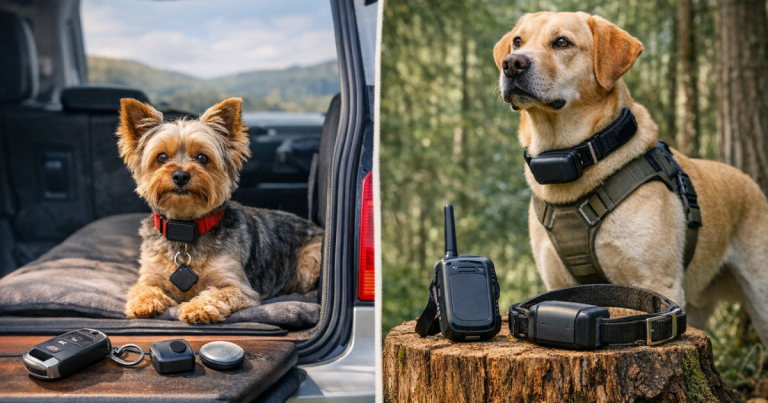
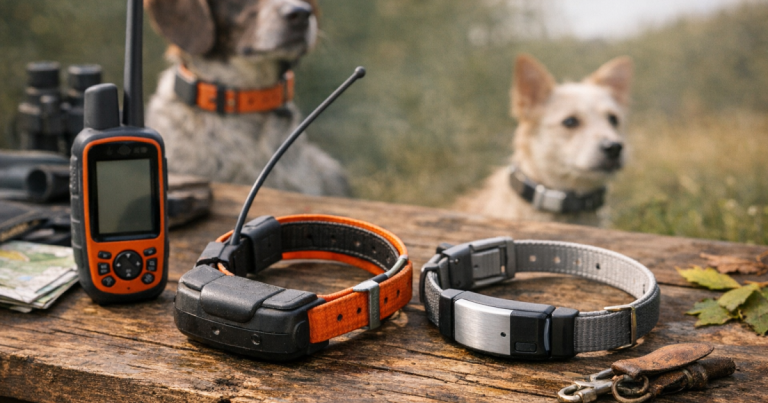
A GPS tracker can be extremely useful when it is charged, fitted correctly, and operating in an area where its network works. It is not a guarantee. Some devices depend on cellular coverage, some are better suited to open country, and some are really backup identifiers rather than live location tools.
If your dog already wears a tracker, your recovery kit should include the charger, any collar mount or spare attachment piece, login details stored securely, and a short note explaining who in the household can access the location. Test the device before a trip, not while your dog is already missing. For a simple field method, use known landmarks to check your dog GPS tracker’s accuracy around your home, park, or usual trailhead.
For dogs that hike, hunt, camp, or travel through rural areas, the tracker choice deserves extra scrutiny. A city-friendly setup can be convenient at home but less useful where coverage thins out. If you are comparing backup layers, this guide to alternative GPS pet tracking devices explains how different device types fit into a broader recovery plan.
Search supplies that are actually worth carrying
The best search gear is boring, compact, and ready. Pack items you can use with one hand, in poor light, while answering calls from strangers who may have spotted your dog.
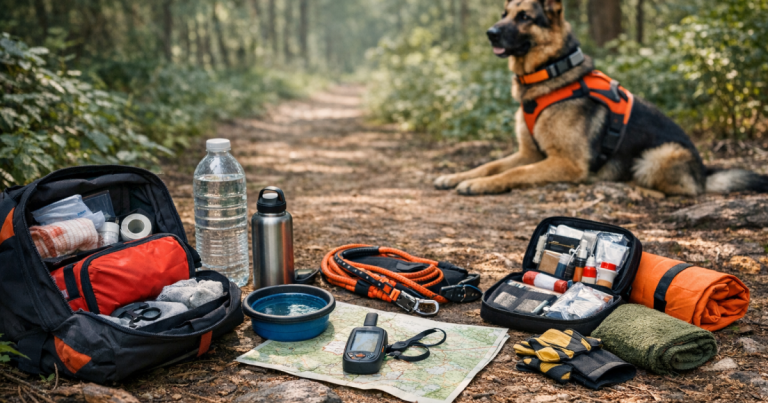
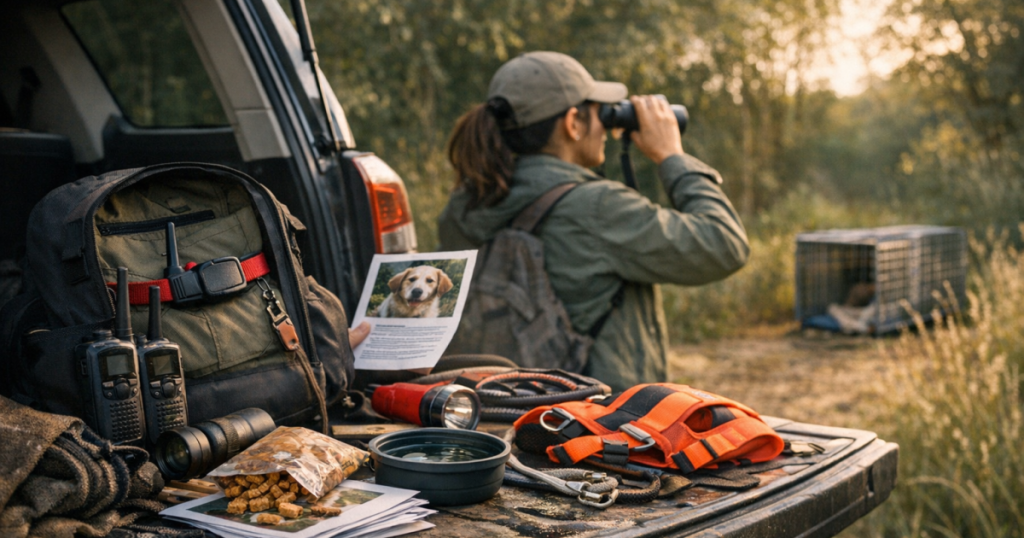
- Spare leash and collar or slip lead: A recovered dog may not still be wearing the gear they escaped in. Choose sturdy, simple equipment that can be fitted quickly without wrestling.
- High-value treats: Use sealed, strongly scented food your dog already likes. Rotate it before it goes stale.
- Water and a collapsible bowl: A frightened dog may be thirsty once safely contained, especially after running.
- Flashlight or headlamp: Dusk is a common searching window, and phone lights drain battery fast.
- Reflective vest or clip-on light for you: If you are searching near roads, drivers need to see the human too.
- Printed flyers and tape: Keep a few blank spaces so you can add the last-seen location and time by hand.
- Permanent marker: Thick, readable lettering beats neat handwriting nobody can read from a passing car.
- Portable power bank: Your phone becomes the command center. Keep it charged.
- Basic canine first-aid kit: A compact kit such as Adventure Medical Kits Adventure Dog Series Trail Dog can help with minor scrapes after recovery, but serious injuries need veterinary care.
For the spare restraint, a dependable leash such as Ruffwear Knot-a-Leash is the kind of straightforward gear that earns its place because it solves a real problem: getting a loose dog secured without relying on whatever snapped, slipped, or was left in the car.
Build a message pack before the emergency
Most owners underestimate how hard it is to write clearly when their dog is missing. Prepare the words now. Your message pack should include a short social post, a text message for neighbors, and a printable flyer layout.
Use plain details: dog’s name, breed or mix, color, size, collar or harness color, last-seen location, direction of travel, temperament, and your contact number. Add one clear instruction: “Please call with location and direction; do not chase.” That line can prevent a nervous dog from being pushed farther away.
For neighborhood sharing, save contact points for local animal control, nearby shelters, veterinary clinics, community Facebook groups, HOA contacts, campground offices, park rangers, and trusted neighbors. In rural areas, add feed stores, trail clubs, and property managers where appropriate. The useful list is the one you can send to quickly, not the one you meant to research later.
Adjust the kit to your dog’s escape pattern
For door dashers
Keep the kit by the main exit and focus on immediate neighborhood action. Printed flyers, a flashlight, a spare leash, and treats matter more than backcountry gear. Add a note reminding family members to check familiar places first: favorite walking routes, porch steps, a neighbor’s yard, or the car if your dog loves rides.
For trail dogs
Carry a smaller trail version in your pack. Include a printed photo, spare lead, treats, water, a power bank, and your tracker charging plan before leaving home. If the dog runs, note the exact trail junction, parking area, or landmark where you last saw them. “Half a mile past the creek crossing” is more useful than “somewhere on the trail.”
For road trips
Put a recovery envelope in the glove box with photos, vaccine proof, microchip information, and a short description. Add temporary contact details if someone else is traveling with you. A dog lost three states from home needs strangers to reach the right phone immediately.
For shy or newly adopted dogs
Do not build the plan around calling, chasing, or sending strangers toward the dog. Note that sightings are more valuable than capture attempts. Food stations, calm observation, and help from local animal services may be more appropriate than a noisy search party.
What not to rely on
Do not rely on a single photo, a single phone number, or a single device. Do not assume your dog’s collar will stay on. Do not assume a finder will know how to scan a microchip or use a pet-tracking app. And do not spend the first hour redesigning a flyer from scratch while your dog is moving.
Also avoid overpacking until the kit becomes too bulky to carry. The perfect kit left in the garage is not as useful as a modest kit in your car. Recovery planning has a way of rewarding the unglamorous: charged phone, readable flyer, working leash, calm message. Very little of it looks heroic, which is probably why it works.
The first 30 minutes after a dog goes missing
- Mark the last-seen point. Drop a map pin, take a photo of the spot, or write down the nearest address, trail marker, campsite, or intersection.
- Check the tracker immediately. Look for the most recent location and whether it is updating. Send screenshots to helpers rather than vague descriptions.
- Assign roles. One person monitors calls and messages, one checks likely routes, and one contacts shelters or local groups.
- Use calm recall. If the dog is visible, crouch sideways, use familiar words, and avoid running toward them.
- Share a clear alert. Send the prepared message with photo, last-seen location, direction of travel, and “do not chase” instruction.
- Keep roads in mind. Do not create a crowd that pushes the dog across traffic or deeper into unfamiliar terrain.
Helpful questions
Should every dog owner keep a lost dog recovery kit?
Yes, but the size can vary. An apartment dog may need a small folder, spare leash, photos, and neighborhood contact list. A hiking or road-trip dog needs a more complete travel setup with tracking support, visibility gear, water, and printed information.
Is a GPS tracker enough for recovery?
No. A tracker can narrow the search area when it is working correctly, but it does not replace ID tags, microchip registration, current photos, local alerts, and safe handling. Treat tracking as one important layer in a larger recovery plan.
How often should the kit be updated?
Review it every few months and before major trips. Update photos, phone numbers, microchip records, medications, tracker charging cables, treats, and any shelter or local contact information. If your dog gets a new collar, tag, harness, or haircut, the recovery details should change too.
Main lessons
A strong recovery kit does not promise a perfect outcome. It gives you a cleaner start when your mind is racing: accurate ID, working tracking support, safe search gear, and messages that can be sent in seconds. Build it around your dog’s real habits, keep it where you will use it, and update it before the next hike, move, vacation, or gate mishap. The moment you need it is not the moment to go looking for tape.