Escape Prevention
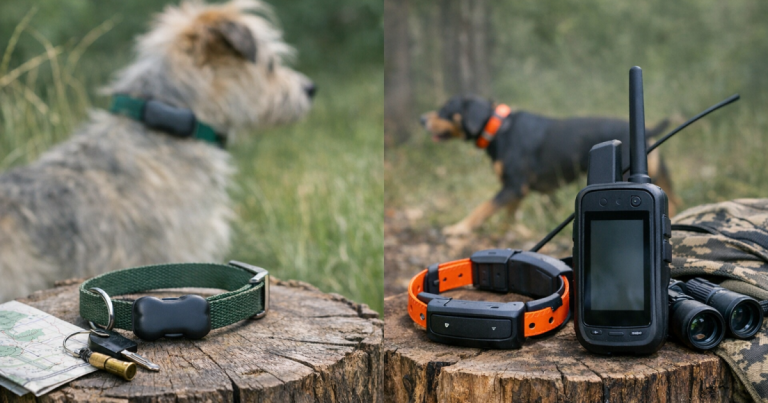
FitBark GPS 2nd Gen vs Garmin Alpha 200i: Which Tracking Setup Fits Your Dog’s Escape Risk?
One is a small pet-worn tracker; the other is a field handheld. The right choice depends on where your dog gets loose.
Read article →
Make sense of dog tracking and lost-pet recovery guide with clear guides, honest reviews and practical comparisons. Whether you are weighing up a purchase or exploring the subject, GPS Dog Trackers helps you focus on the details that matter.
Browse articles
One is a small pet-worn tracker; the other is a field handheld. The right choice depends on where your dog gets loose.
Read article →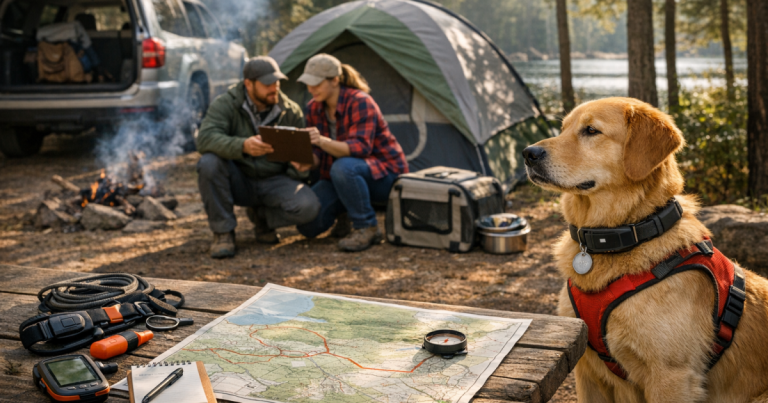
Campground arrivals are chaotic. A few calm checks before the cooler comes out can make a runaway-dog scare far easier to handle.
Read article →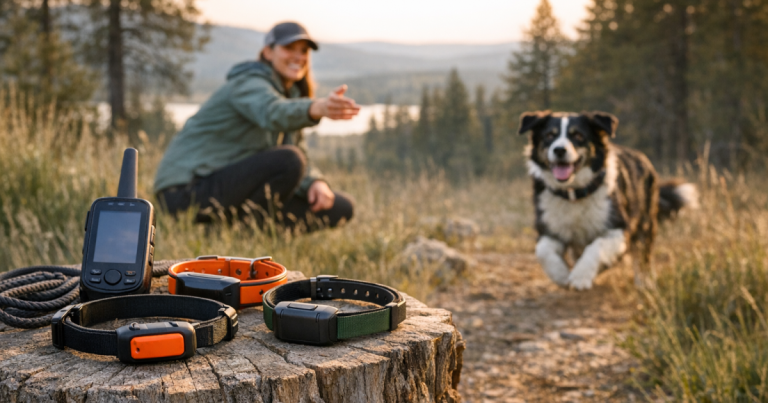
Off-leash practice feels calmer when you can track your dog and train with a repeatable plan, not hope and panic.
Read article →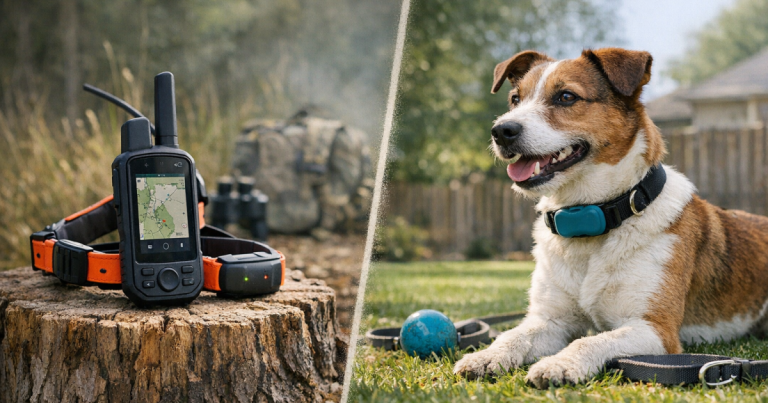
Choose the field handheld or the everyday collar tracker based on how your dog gets lost, not which spec sounds bigger.
Read article →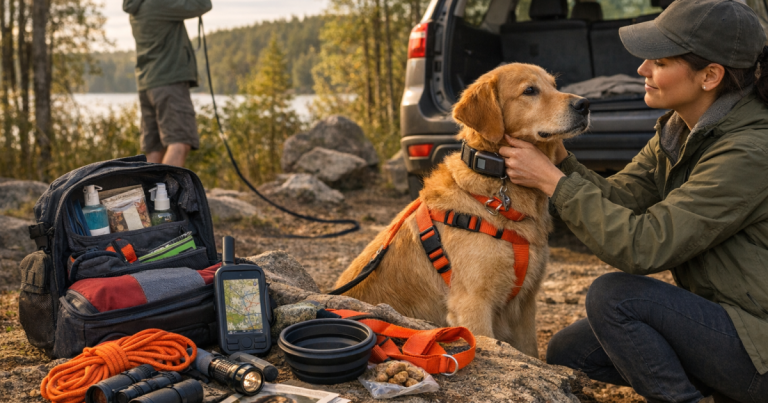
The right road-trip kit can turn a scary loose-dog moment into an organized search with better ID, safer handling, and fewer delays.
Read article →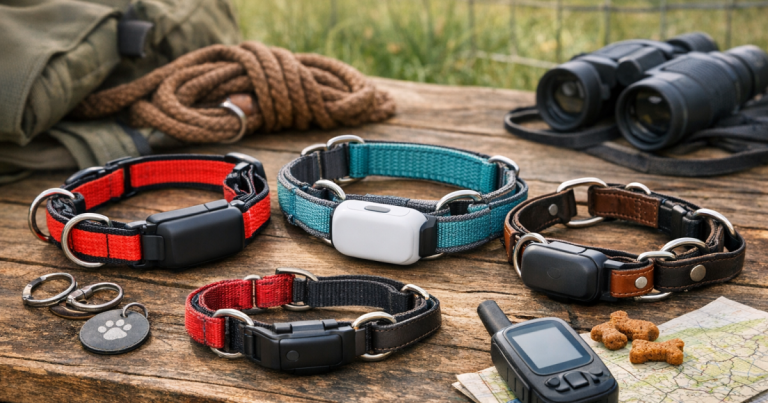
A tracker can only help if it stays attached. Match the martingale style to your dog’s escape habit, size, and tracker mount.
Read article →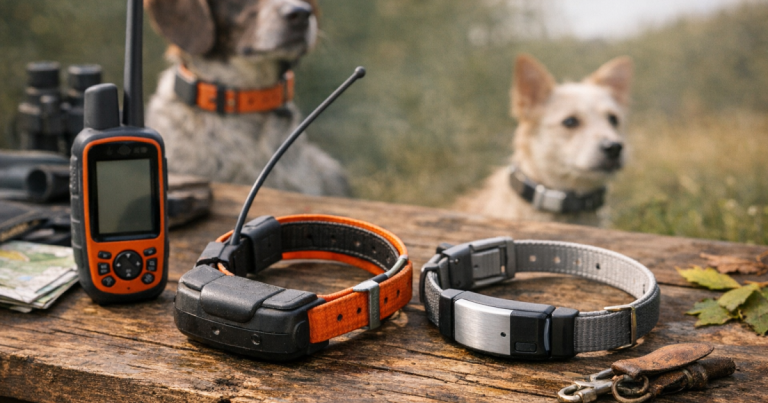
Your tracker may still be useful, but coverage, battery health, fit, and escape risk should decide whether it stays on your dog.
Read article →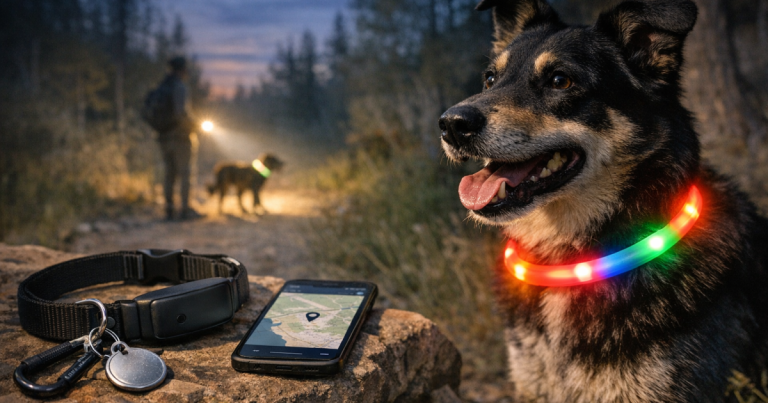
Night walks get safer when visibility, ID, and tracking each have a job. Here’s where a glowing collar helper belongs.
Read article →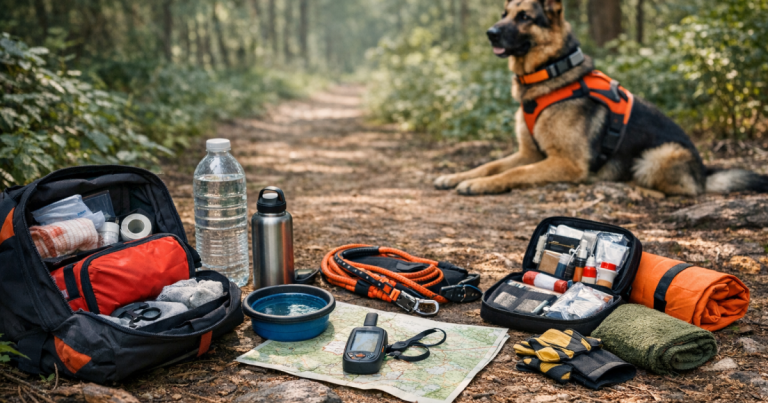
Searching woods, fields, or campground trails is calmer when your pack supports the dog, the search team, and the recovery plan.
Read article →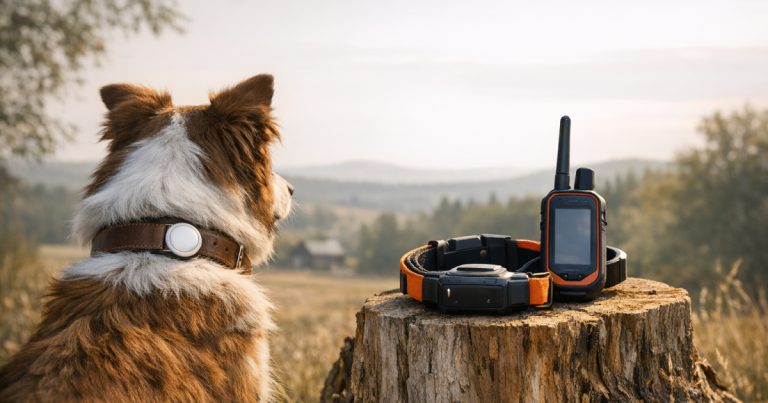
Rural dogs need more than nearby phones to create recovery leads. See where Bluetooth helps and where LTE/GPS becomes the safer category.
Read article →