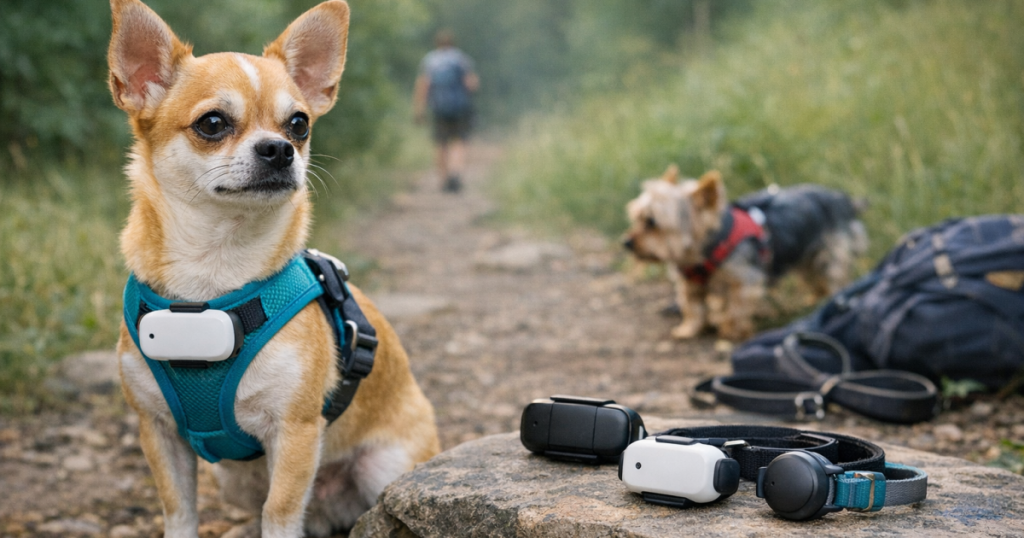
A small dog does not need to travel far for a scary search to begin. A loose Yorkie can vanish behind parked cars, a nervous rescue can bolt from a patio gate, and a toy poodle can squeeze through a gap a larger dog would never notice. The best GPS dog trackers for small breeds balance recovery usefulness with everyday comfort, because a tracker that is too bulky will end up on the counter instead of on the dog.
The short version: choose the smallest reliable tracker your dog can comfortably wear, confirm it works where you actually walk and travel, and test the recovery workflow before you need it. A tracker is not a force field. It is one layer in a plan that also includes secure collars, ID tags, updated microchip details, good recall habits, and fast action if your dog gets loose.
What to know first
For small breeds, the right tracker is less about finding the device with the longest feature list and more about fit, signal behavior, and owner routine. A large tracker on a narrow collar can twist under the chin, bang against the chest, or make a tiny dog avoid wearing the collar at all. Even a very capable device becomes less useful if it is uncomfortable, poorly attached, or left uncharged.
Most everyday GPS pet trackers use cellular coverage to send location updates to a phone app. That can work well in neighborhoods, suburbs, and travel corridors with service, but it can be less dependable in remote areas, deep valleys, or places where your carrier-like coverage is weak. Battery performance also changes with tracking mode, signal strength, update frequency, and how often you use live tracking. For a small dog owner, the realistic question is not “which tracker is perfect?” but “which one can my dog comfortably wear every day, and which one gives me useful location information in the places we actually go?”
The small-breed fit test
Before comparing brands, do a simple collar-and-comfort check at home. This prevents a common mistake: buying a tracker that looks compact online but feels oversized on a six-pound dog.
- Check collar width and attachment style. Some trackers clip to an existing collar, while others are built into or paired with a specific collar setup. Make sure the attachment sits flat and does not slide toward the throat.
- Watch your dog move. Let your dog walk, sniff, climb stairs, drink water, and lie down while wearing the tracker. If the device bumps the floor, twists sideways, or catches on a harness, it may not be a good daily setup.
- Think about coat type. Long-haired small breeds can hide a tracker visually, but the device can also tangle in fur or press into the neck if the collar is too loose.
- Separate walking gear from ID gear. Many small dogs wear a harness for leash walks but a collar for ID. Decide where the tracker will live so it stays on during the moments escapes actually happen.
- Confirm current manufacturer guidance. Weight, collar compatibility, recommended pet size, and attachment details can change. Check the maker’s current product page before buying.
Top tracker types to consider for small dogs
Compact cellular GPS tracker for everyday escape risk
A compact cellular GPS tracker is usually the first place to look for small dogs that live in neighborhoods, visit parks, ride in the car, or occasionally test the front door. These trackers are designed for phone-based location checks and usually require an app and service plan. The upside is convenience: you can check location from your phone without carrying a separate handheld unit.
The Tractive GPS Tracker review is a useful next stop if you want a mainstream app-based option to compare for a small dog. When evaluating it or any similar tracker, focus on the current device size, collar attachment, service coverage in your area, and how quickly you can switch from normal monitoring to active search mode.
Lightweight health-and-location tracker for owners who check data often
Some small-dog owners want more than emergency location. They also want daily activity context because changes in movement can help them notice when an older Chihuahua, dachshund, or Maltese is slowing down. Health and activity features should not distract from recovery basics, but they can make a tracker feel worth wearing every day.
The FitBark GPS 2nd Gen review is worth reading if collar bulk is a major concern and you want to compare a device positioned around location and activity tracking. As with any small-breed option, verify the current fit requirements and do a short supervised wear test before making it your dog’s everyday setup.
Tracking plus wellness context for small-to-medium dogs
Whistle GO Explore GPS Pet Tracker is another recognizable GPS pet tracker many owners compare when they want location tracking alongside broader pet insights. For small breeds, the important question is not whether the feature set sounds appealing; it is whether the device sits comfortably on your dog’s collar and whether the app workflow makes sense during a real escape.
This type of tracker can be a good fit for owners who are willing to maintain charging habits, keep notifications configured, and review the app before travel or boarding. It may be less ideal for very tiny dogs if the device feels bulky on their collar, so compare the current physical dimensions and recommended pet size carefully.
Smart collar systems for dogs large enough to wear them comfortably
Some smart collar systems, including Fi Series 3+ Smart Dog Collar, are designed around a collar-based experience rather than a universal clip-on tracker. That can feel cleaner and more secure for some dogs, but it also makes sizing more important. A small terrier may handle a structured smart collar well; a very small toy breed may not.
If you are looking at a collar-based tracker, measure your dog’s neck carefully and consider how the collar sits during sleep, play, and crate time. A device that looks sleek on a beagle may still be too much hardware for a four-pound puppy or senior toy breed.
When a Bluetooth tag helps, and when it does not
Bluetooth item trackers can be helpful as backup identification tools, especially for owners already using a compatible phone ecosystem. They are not the same as GPS dog trackers. A Bluetooth tag generally depends on nearby devices or close-range detection rather than showing your dog’s live route across town.
For small breeds, the appeal is obvious: Bluetooth tags are often small and easy to attach. The limitation is just as important: they may not give you the active search information you expect during a fast-moving escape. If you use one as a backup, use a secure mount and understand what it can and cannot do. The guide to choosing an AirTag holder for a dog collar explains the collar-fit side of that decision without treating a tag as a full GPS replacement.
How to choose for your dog’s escape pattern
The best choice depends on how your dog gets into trouble. Match the tracker to the scenario you are trying to prevent, not just the product page you find most convincing.
- Door dashers: Prioritize a tracker your dog wears indoors or during high-risk transition times. Fast access to recent location information matters more than advanced outdoor features you rarely use.
- Fence squeezers: Look for reliable attachment and good location visibility around your home, yard, alley, and nearby streets. Test the tracker at the edges of your property.
- Traveling small dogs: Recheck fit after grooming, before road trips, and when switching collars or harnesses. Hotel doors, campsite arrivals, and rest stops are common escape moments.
- Rural walkers: Cellular-dependent trackers can be limited by coverage. Test your usual roads, fields, and trailheads before trusting the device as your only recovery aid.
- Nervous rescues: Comfort is critical. A tracker that adds stress may increase collar scratching, freezing, or gear refusal. Introduce it slowly with calm, supervised wear sessions.
Setup checks during the first 48 hours
Once the tracker arrives, resist the urge to assume setup is finished after the app connects. The first two days are when you learn whether the device fits your dog’s life.
- Do a home signal check. Walk your dog around the yard, driveway, block, and usual potty area while watching how location updates behave.
- Practice a mock recovery. Have another household member walk the dog nearby while you follow the app. Notice whether alerts, maps, and update timing make sense under mild pressure.
- Set a charging rhythm. Put charging on a routine you already keep, such as after the evening walk or during bath day. Battery reminders are only useful if you respond to them.
- Inspect the attachment daily at first. Small collars flex, twist, and pick up fur. Make sure the tracker has not loosened or shifted into an uncomfortable position.
- Keep backup ID in place. Use a visible ID tag with a current phone number. A neighbor who finds your dog should not need to understand your tracker app to contact you.
What not to overvalue
Small-breed owners are often sold on features that sound reassuring but do not always change the outcome of a real search. A polished app is useful, but it does not fix weak coverage. A long battery claim is encouraging, but it depends on settings and use. A rugged-looking device may still be a poor fit if it hangs heavily from a narrow collar.
Also be careful with “small” as a marketing word. Small compared with a hunting collar is not the same as small enough for a Papillon or toy fox terrier. Whenever possible, compare the tracker’s physical presence against your dog’s current collar tag, not against a photo of a much larger dog.
Helpful questions
Can a small dog wear a GPS tracker all day?
Many small dogs can wear a GPS tracker daily if the device is appropriately sized, securely attached, and introduced gradually. Check for rubbing, head lowering, scratching, or reluctance to move. If your dog changes posture or behavior, reassess the setup.
Is a GPS tracker better than a microchip?
They solve different problems. A GPS tracker can help you search while your dog is moving. A microchip helps identify your dog after someone finds them and has the chip scanned. Small dogs should ideally have both, plus a visible ID tag.
Do small dogs need a tracker if they never go off leash?
Often, yes. Many lost-dog scares happen at doors, gates, car transfers, groomers, boarding facilities, or during travel. A tracker is most useful when it is already on the dog before the unexpected moment happens.
Key takeaways
For small breeds, the right GPS tracker is the one your dog can comfortably wear before an emergency, not the one with the most dramatic feature list. Start with fit, then test coverage in your real walking areas, then build a simple recovery routine around the app, charging schedule, ID tag, and collar security.
If your dog is tiny, nervous, elderly, or shaped in a way that makes collar gear tricky, be conservative. A slightly less feature-heavy tracker that stays comfortable and charged is usually more valuable than a powerful device that spends half its life in a drawer. The safest setup is layered: a comfortable tracker, current identification, secure walking gear, and a plan you have practiced before panic takes over.