If your current collar still pings, charges, and helps you sleep at night, replacing it is not automatic. The real question with older dog tracking collars is whether the setup still matches your dog’s escape behavior, your coverage, and your recovery plan in 2026.
That answer can be very different for a handler using a Garmin handheld in rural terrain than it is for a family relying on a Fi smart collar for a fence-jumper in a suburban neighborhood. Start with the job the collar has to do, then judge the equipment.
What to know first
Keep a legacy tracker when it is dependable in the places your dog actually runs, the battery comfortably covers your real routine, the collar still fits well, and you know exactly how to act when an alert or location update matters. Upgrade when the device still works but your risk profile has changed. Replace when the collar no longer earns your trust.
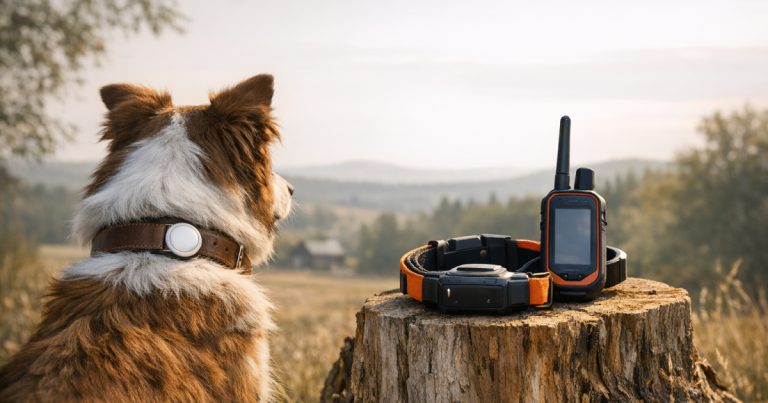
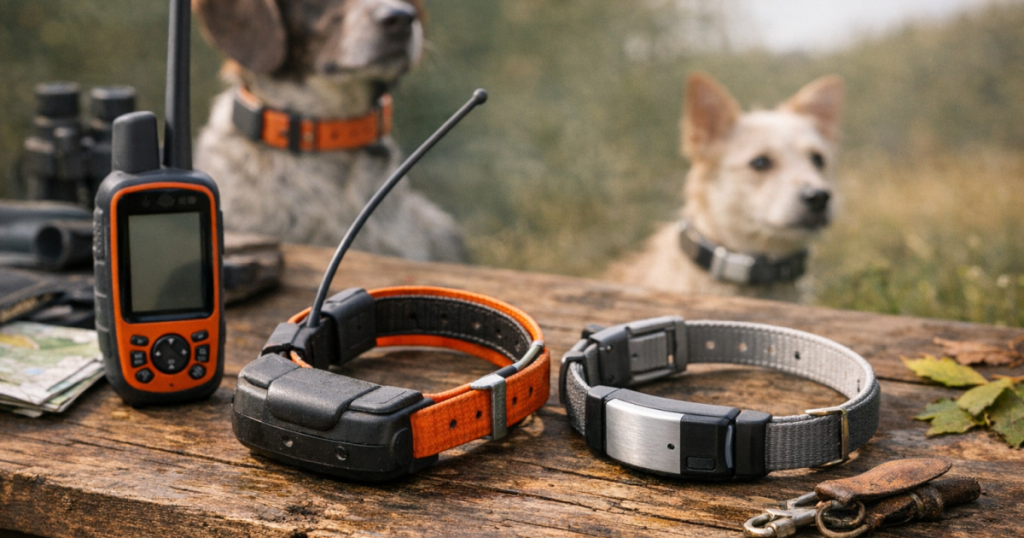
A Garmin Alpha 100 setup and a Fi Series 3 Smart Collar solve different problems. The Garmin Alpha 100 is built around a handheld field workflow with compatible dog devices, which can suit hunting, acreage, and off-grid-style outings where phone-based tracking is not the center of the plan. Fi Series 3 is a smart collar experience built around app-based GPS and network-dependent recovery routines, which often fits everyday escape prevention, neighborhood alerts, and travel habits.
Neither category is foolproof. Terrain, buildings, tree cover, cellular availability, device condition, user habits, collar fit, and battery discipline all affect recovery value. A newer tracker is not automatically better if it does not match how your dog escapes.
Step 1: Name the escape problem before judging the collar
Before spending money, write down the most likely lost-dog scenario. The right answer for older dog tracking collars depends less on age alone and more on the situation you are trying to prevent.
- Door dasher: You need fast awareness, a working routine for leaving home, and backup ID in case a neighbor finds your dog before you do.
- Fence jumper: You need reliable boundary awareness, frequent real-world testing around your property, and a collar your dog wears consistently.
- Rural wanderer: You need to think hard about coverage gaps, terrain, and whether a phone-based tracker alone is enough.
- Hiking or hunting dog: You need a field workflow you can use calmly under stress, with equipment checked before every outing.
- Travel companion: You need the tracker tested away from home, plus ID tags, recent photos, and a plan for hotels, campsites, and unfamiliar neighborhoods.
If your dog’s behavior has changed since you bought the collar, treat that as a real upgrade trigger. A young dog with new prey drive, a senior dog who startles more easily, or a rescue dog newly confident enough to bolt may need a different recovery setup than before.
Step 2: Run a no-drama reliability test
Do not wait for an emergency to find out whether a legacy collar still fits your life. Pick a normal week and test it in the places that matter: your yard, walking route, dog park perimeter, trailhead, family property, or vacation spot.
For Garmin Alpha 100 owners
- Power on the handheld and dog device before leaving, not at the trailhead while your dog is already excited.
- Confirm the handheld display, controls, maps, and dog-device connection are familiar enough that another adult in your household could follow basic location information.
- Check collars, antenna condition, charging contacts, straps, buckles, and any attachment points for wear.
- Test in the terrain you actually use. Open fields, steep wooded areas, brush, and rolling ground can feel very different in real use.
- Decide whether the handheld routine still fits your life. If the device works but you never bring it, charge it, or practice with it, reliability on paper does not help your dog.
For Fi Series 3 owners
- Confirm the collar charges normally and holds enough power for your routine plus a recovery buffer.
- Check the app, account access, safe-zone settings, notification permissions, and the phone used by the person most likely to chase the dog.
- Walk the edges of your property and note whether alerts or location behavior match what you expect.
- Test areas where your dog is commonly off-leash or handled by others, such as a sitter’s house or a relative’s yard.
- Inspect the physical collar fit. A smart collar that rotates, rubs, or sits poorly may be less useful and less comfortable.
If you travel with your dog, do a dedicated away-from-home test before the trip. The routine is different when you are tired, unpacking, and your dog is sniffing an unfamiliar door gap; this walkthrough on how to test your dog tracker at a hotel or campsite is a useful next step.
Step 3: Decide whether to keep it
Keeping your current collar makes sense when the device remains boringly dependable. That means it charges without fuss, stays attached, fits your dog, and gives you actionable information quickly enough for your real-world risk.
Garmin Alpha 100 owners may reasonably keep their setup if they primarily use it for field work, understand the handheld, maintain compatible dog devices, and operate in places where that workflow is still appropriate. The strongest reason to keep it is confidence under pressure: you know the buttons, you know the display, and you already practice with it.
Fi Series 3 owners may reasonably keep their collar if their dog wears it daily, the app routine is familiar, coverage is consistent in their normal areas, and household members respond promptly to alerts. For many suburban escape scenarios, the best tracker is the one that is charged, fitted, and actually on the dog when the gate pops open.
Step 4: Know when an upgrade is the calmer choice
Upgrade when the current collar works, but it no longer gives enough margin for how your dog lives now. A device can be functional and still be the wrong tool for a new risk.
- Your dog is going farther. A dog that once circled the yard but now follows deer, joggers, or another dog needs a more serious recovery plan.
- Your locations changed. Moving from a dense neighborhood to acreage, or adding regular camping trips, can expose coverage and workflow limits.
- You rely on one person’s phone or handheld. If the only trained user is not always present, the system may be too fragile for household recovery.
- Battery habits are slipping. If you often discover the collar is low after the dog is already outside, the issue is not only the battery; it is the routine.
- Fit has become a problem. Weight, collar width, neck shape, coat type, and skin sensitivity all matter, especially for small dogs, seniors, and dogs with narrow heads.
Fi owners considering a newer generation or different tracker should compare coverage assumptions carefully rather than chasing the newest label. If remote-area backup is part of the reason you are shopping, the Fi Ultra Dog Tracker overview is a sensible comparison point because it frames the newer option around real tracking needs rather than treating every upgrade as automatic.
Garmin owners should be equally practical. If you still want a Garmin-style recovery approach but are considering LTE-based options or mixed setups, compare how the newer workflow changes your responsibilities. This breakdown of Garmin Alpha LTE vs other dog trackers is helpful when the decision is less about brand loyalty and more about escape risk.
Step 5: Replace when trust is gone
Replacement is different from upgrading. Upgrade means you want a better fit for your current life. Replace means the old setup has become unreliable, uncomfortable, or mismatched enough that you should stop depending on it as your primary recovery tool.
- The collar no longer charges predictably or loses power too soon for ordinary use.
- The strap, housing, buckle, antenna, or attachment hardware shows damage you would not trust during a chase through brush or traffic-adjacent areas.
- The app, handheld, account, or household workflow creates delays every time you test it.
- Your dog’s size, coat, skin, or neck shape makes the device uncomfortable or insecure.
- You avoid using the system because it feels too complicated, bulky, or inconvenient.
That last point matters. A sophisticated tracker sitting in a drawer is less protective than a simpler system that is charged, fitted, tested, and worn. For lost-dog recovery, owner behavior is part of the equipment.
Step 6: Build a safer transition plan
If you replace older dog tracking collars, do not retire the old setup the same day the new one arrives. Run both for a short overlap when practical. You are not testing a product description; you are testing your household’s ability to use the system during a stressful moment.
- Set up the new collar before an off-leash outing or trip, not during one.
- Confirm every responsible adult can open the app or use the handheld and understand what the location information means.
- Take clear current photos of your dog from the side and front, including distinctive markings.
- Keep a physical ID tag on the dog even if you trust the tracker.
- Practice the first five minutes of a lost-dog response: who grabs the leash, who checks the tracker, who stays near the last known point, and who calls neighbors or staff.
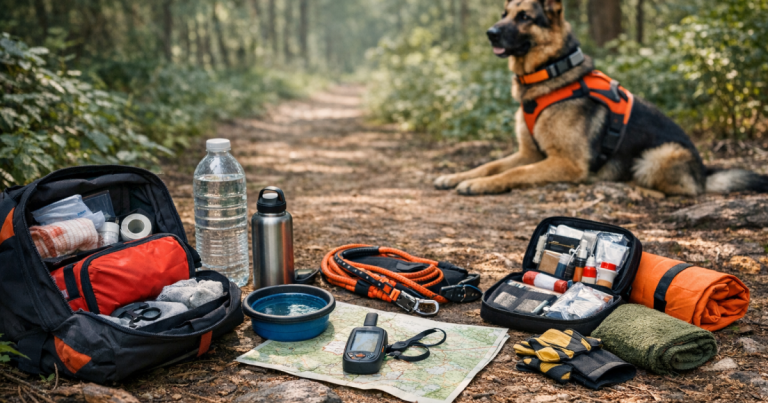
For dogs that hike, hunt, camp, or bolt into rough ground, tracker choice is only one part of recovery readiness. Water, a leash, visible gear, and basic first-aid supplies can matter once you find the dog; the trail preparedness checklist for dog searches covers that recovery side of the plan.
Scenario calls for common owners
You own a Garmin Alpha 100 and mostly hunt or work rural land
Keep it if you still trust the handheld, maintain the dog device, and practice with the system. Upgrade only if your workflow needs have changed, your equipment condition is declining, or you want a different layer of tracking for the way you now travel with your dog.
You own a Garmin Alpha 100 but now mostly walk suburban trails
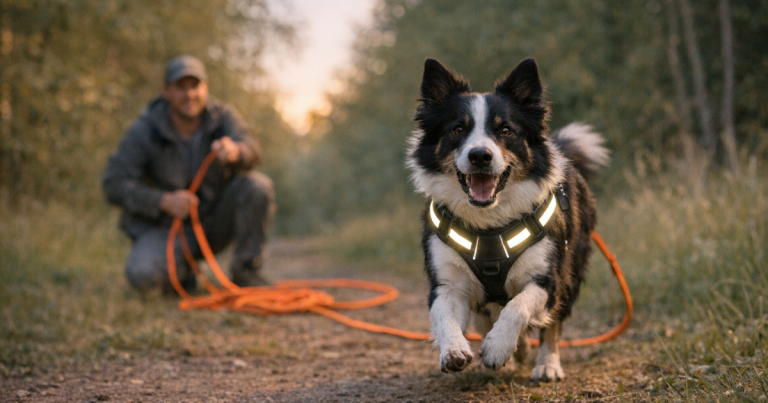
A handheld field system may still be useful, but it may not be the most convenient daily collar. Consider whether a lighter app-based tracker, plus ID and visibility gear, would be worn more consistently. The best recovery setup is the one that fits the ordinary Tuesday escape, not only the big weekend outing.
You own a Fi Series 3 and your dog is a neighborhood escape artist
Keep it if coverage is reliable, alerts are useful, the collar fits, and the household reacts quickly. Upgrade if you have repeated dead spots, slow routines, charging problems, or a dog whose escapes are becoming more rural or longer-range.
You own a Fi Series 3 and now travel or camp often
Test before trusting. Hotel doors, campground distractions, and unfamiliar yards expose weaknesses that never show up at home. If the collar’s normal network assumptions do not fit your travel areas, consider a different primary tracker or a layered approach.
Straight answers
Is an older tracker unsafe just because it is older?
No. Age alone is not the problem. The real question is whether the collar still works reliably, fits comfortably, and gives you enough time and information to act. A well-maintained older setup can still be useful, while a newer one can disappoint if coverage, fit, or owner habits are poor.
Should I keep the old collar as a backup?
Sometimes. A backup is useful only if it is charged, maintained, and understood. If the old device is unreliable or confusing, keeping it can create false confidence. If it still works but is no longer ideal as the primary tracker, it may serve as a secondary tool for specific outings.
What is the biggest mistake owners make when upgrading?
The biggest mistake is assuming a new collar solves the recovery plan by itself. Test it in your real locations, train the humans who will use it, keep physical ID on the dog, and rehearse the first few minutes of a lost-dog response.
Why it matters
The keep-or-replace decision is not about owning the newest collar in 2026. It is about reducing the gap between the moment your dog gets loose and the moment you make the right move. Keep the Garmin Alpha 100 or Fi Series 3 if it still supports that goal. Upgrade when your dog, terrain, coverage, or daily routine has outgrown it. Replace when the equipment no longer deserves a place in your recovery plan.