Coat blowout season can make a reliable tracker feel suddenly unreliable. A thick-coated dog GPS collar may sit on top of loose undercoat instead of against the neck, so it can rotate, gap, or slide when your dog shakes, runs, or backs out of pressure.
The fix is not simply tightening the strap. The goal is to fit the collar to the dog’s neck, not the fluff, then recheck it as the coat thins over several days.
At a glance
To fit a GPS dog collar on a thick-coated dog during a coat blowout, part the coat down to the skin, place the collar at the correct height on the neck, snug the strap against the actual neck rather than the loose fur, and run a two-finger check at skin level. After your dog walks, shakes, scratches, or plays for a few minutes, recheck whether the device has rotated, dropped, or created a gap. Repeat this daily during heavy shedding because yesterday’s secure fit can become loose after brushing or a big undercoat release.
- Fit to skin, not coat: Press through the undercoat before judging strap tension.
- Check after movement: A collar that looks fine indoors may shift after zoomies or trail dust.
- Watch the attachment point: Heavy devices, wide tags, and leash pressure can pull a collar off center.
- Use backups: A secure tracker helps, but it should sit alongside readable ID and a recovery plan, not replace them.
Why coat blowouts loosen GPS collars
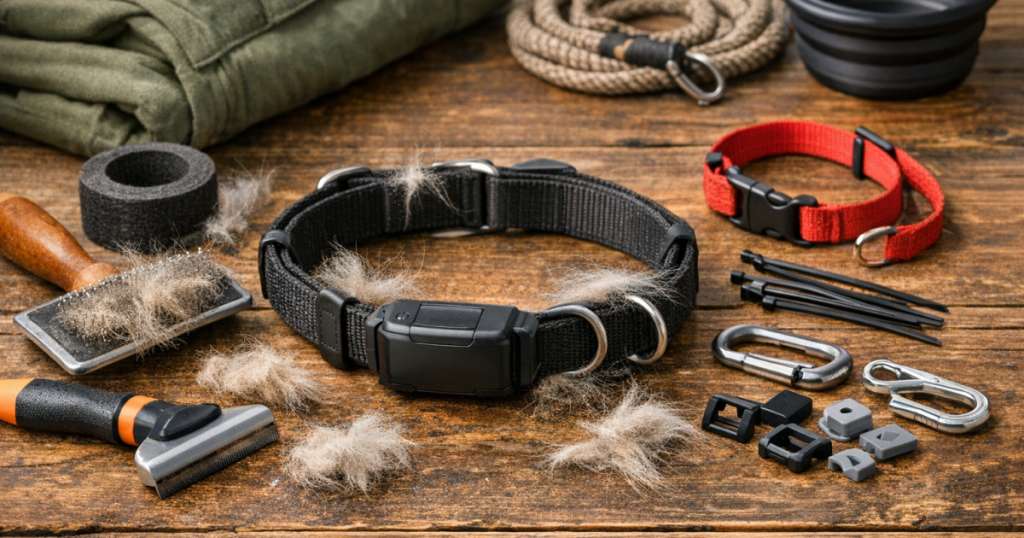
Double-coated dogs shed in layers. During a blowout, the undercoat can bunch under a strap like padding, then fall away after brushing, rubbing, rolling, or a long walk. That means the collar may have been fitted around temporary bulk rather than the dog’s actual neck size.
This matters more with GPS collars and tracker attachments than with a plain nylon collar because the device adds weight and shape. If the collar is slightly loose, the tracker can rotate under the throat, slide toward the shoulder, or snag on the thicker ruff behind the ears. None of that means the tracker is bad; it means the fit needs more attention during the weeks when the coat is changing fastest.
A secure collar also is not the same as guaranteed recovery. Cellular trackers depend on network coverage and battery charge. Other tracking systems have their own range, terrain, and equipment limits. Fit is one layer in a larger safety routine, along with current ID and a calm plan for what to do if your dog gets loose. For that planning side, a lost dog recovery kit is a useful companion to collar setup.
Step 1: Start with a clean neck area
Before adjusting the collar, brush the neck area enough to remove loose clumps. You do not need a show-groomed finish. You are just clearing the unstable coat that would otherwise compress under the strap and disappear later.
Pay special attention to three spots: behind the ears, under the throat, and along the lower sides of the neck. Those areas collect undercoat and can hide gaps. If your dog dislikes brushing, do short passes, reward calm standing, and come back later rather than turning fit checks into a wrestling match.
Step 2: Part the coat before you buckle
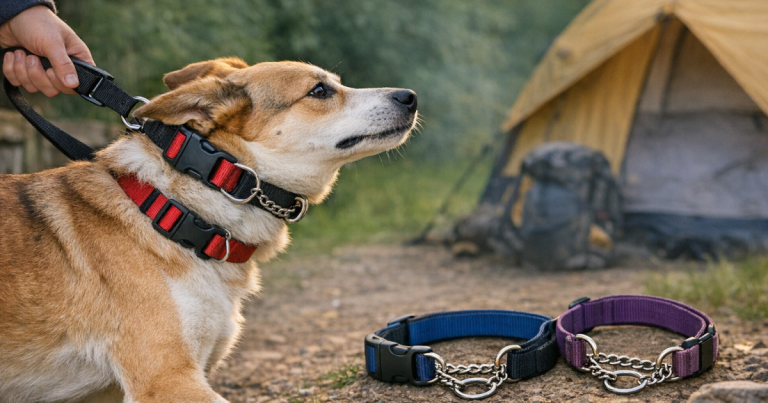
Place your fingers through the coat until you feel the neck. Then buckle the collar while the hair is parted, not puffed outward. On very plush dogs, it helps to lift the outer coat upward with one hand and settle the strap below the fluff with the other.
The collar should sit in its normal position, usually high enough that it cannot slip over the head but not jammed tightly behind the ears. Avoid placing it so low that it rides on the shoulders, where movement and heavy coat can push it forward and back.
Step 3: Use the two-finger test at skin level
The common two-finger rule still helps, but only if you do it correctly. Slide two fingers under the collar until they touch the skin, not just the outer coat. You should feel firm contact without pinching. If your fingers slide through loose fur with no resistance, the collar is probably sitting too far out.
For small dogs, two adult fingers may be too much space; for large, thick-necked dogs, the test still needs to be paired with movement checks. The safer question is practical: can the collar rotate freely, gap away from the neck, or move toward the ears when your dog backs up? If yes, adjust again.
Step 4: Check tracker position, not just strap tightness
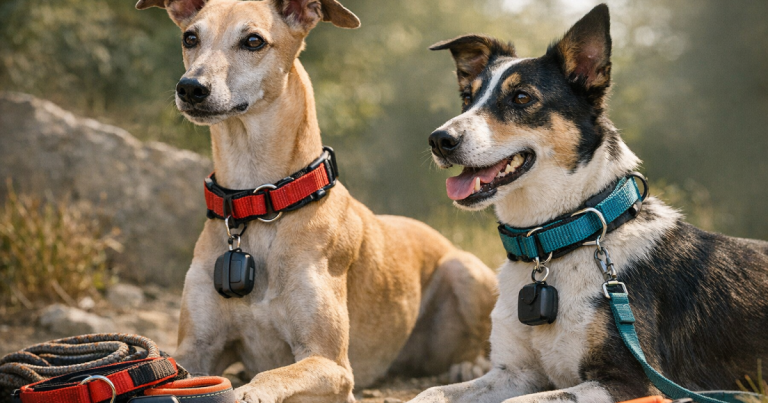
A GPS unit, smart collar module, or attached tracker should stay where the design expects it to sit. Some devices are intended to sit near the top or side of the neck, while others may be designed around a specific collar format. Follow the manufacturer’s fit instructions for the tracker you use, then observe whether the device stays stable after normal movement.
If the tracker keeps rotating under the throat, the collar may be loose, the strap may be too narrow for the device weight, or the coat may be lifting the unit away from the neck. If the device bounces, catches in the ruff, or pulls the collar sideways, simplify the setup: remove extra dangling accessories, use a separate ID collar if needed, and keep the tracking collar as clean and stable as possible.
Step 5: Run a five-minute movement test
After fitting, do not assume the job is finished. Walk your dog around the house or yard for five minutes. Ask for a few normal behaviors: sniffing, turning, sitting, shaking off, and trotting a short distance. Then put your hands back on the collar.
- If the collar has dropped lower: It may be riding on loose undercoat or sitting too low on the neck.
- If the tracker rotated: Check whether coat bulk, accessory weight, or strap width is pulling it off balance.
- If you can pull the collar toward the ears: Refit before using it outdoors.
- If the skin looks compressed or irritated: Loosen the collar and give the area a break before rechecking.
This is especially important before hikes and road trips, when excitement can expose weak points in your setup. If trailhead handoffs or leash changes are part of your routine, pair your fit check with the escape-prevention habits in preventing leash-transfer escapes during dog hikes.
Step 6: Recheck daily during the heaviest shed
During a true blowout, fit can change fast. A collar that passed the two-finger test in the morning can feel loose by evening after brushing, rolling, or a long nap on the rug. Make the check part of your normal routine for a week or two: before the first walk, after grooming, and before any off-property outing.
Look for subtle clues. A tracker that used to face upward but now hangs sideways is telling you something. So is a collar that leaves uneven fur dents, migrates toward one shoulder, or seems to disappear into the coat in one spot while gapping in another.
When a regular collar is the weak link
Some dogs are natural escape engineers. Thick coat can hide a loose fit, but behavior adds the real drama: backing out of pressure, twisting when startled, or ducking the head when a leash tightens. If your dog has slipped collars before, do not rely on a GPS collar as the leash attachment point unless the collar is designed and fitted for that job.
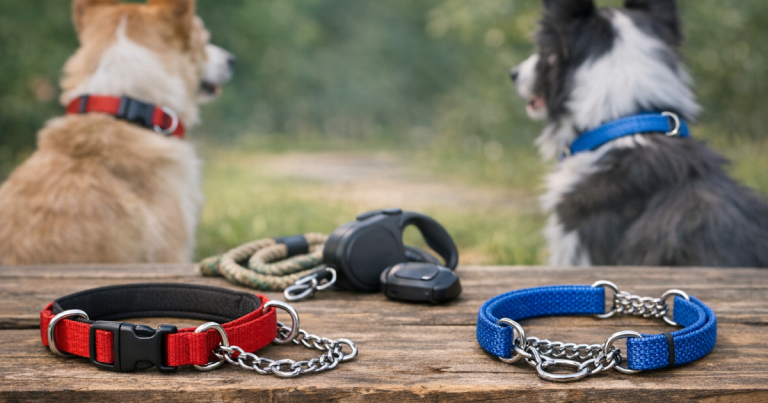
Many owners use a separate walking harness or training-safe head control tool while keeping the tracker on a dedicated collar. That separation can reduce pulling forces on the GPS collar and help it stay positioned for tracking. For dogs who regularly defeat standard collars, the fit ideas in head halters for dogs who slip regular collars may help you think through safer handling options.
Do not forget comfort
Secure should not mean tight enough to flatten the coat permanently or rub the skin. Check for broken hair, redness, dampness under the strap, and warm spots where the device rests. Thick-coated dogs can hide irritation until it is already uncomfortable, so use your fingers, not just your eyes.
If your dog swims, gets muddy, or wears the collar for long stretches, remove and inspect the collar area regularly. Dry the neck before refitting when possible. Moisture trapped under dense coat can make a reasonable fit feel harsher over time.
Common questions
Should I trim the coat under a GPS collar?
Usually, careful brushing and parting are enough. Avoid shaving a patch just to fit a collar unless your groomer or veterinarian has a specific reason for doing so. A trimmed area can change how the collar rests, but it can also create uneven pressure if the surrounding coat is still bulky.
Can I leave extra room because my dog has so much fur?
Extra room is the usual problem during a blowout. The collar needs enough space for comfort and breathing, but the strap should be assessed at skin level. If you fit around the outer coat, the collar can become loose as soon as the undercoat sheds.
Should the GPS collar also hold the leash?
Not always. If your dog pulls, startles, backs out, or has a history of slipping gear, a separate harness or secure walking setup may be safer. Keeping leash pressure off the tracking collar can also help the device stay in its intended position.
What stands out
Coat blowouts make collar fit a moving target. The secure routine is simple: brush out loose undercoat, part to the skin, fit the strap against the neck, test after movement, and repeat the check as shedding continues.
The payoff is calm confidence. Your tracker sits where it should, your dog stays comfortable, and your recovery setup is less likely to fail because a cloud of undercoat quietly changed the fit.