Setup & Testing
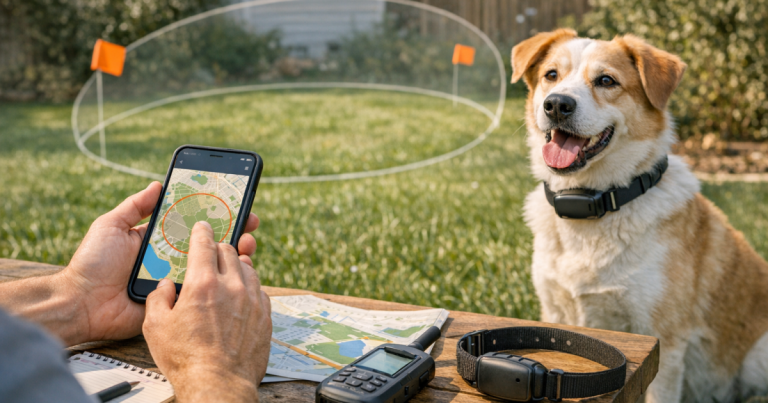
How to Set Reliable Safe Zones on a Dog Tracker
False alerts and late warnings usually come from zone size, signal limits, or rushed testing. A calmer setup starts with better boundaries.
Read article →
Make sense of dog tracking and lost-pet recovery guide with clear guides, honest reviews and practical comparisons. Whether you are weighing up a purchase or exploring the subject, GPS Dog Trackers helps you focus on the details that matter.
Browse articles
False alerts and late warnings usually come from zone size, signal limits, or rushed testing. A calmer setup starts with better boundaries.
Read article →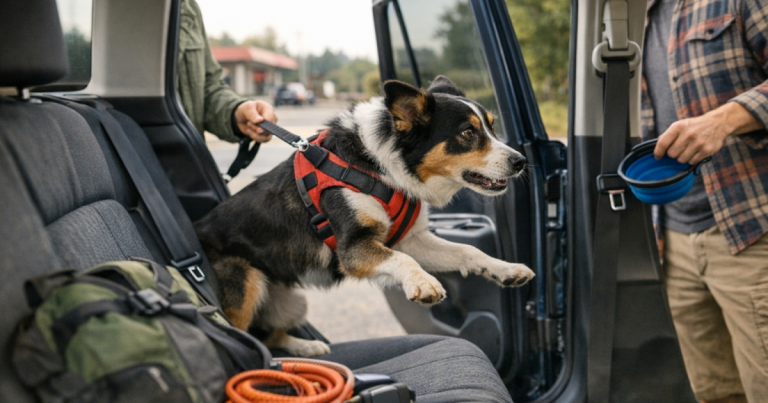
Rest stops, gas stations, and hotel check-ins are common escape moments. Build a calmer unloading routine before the door opens.
Read article →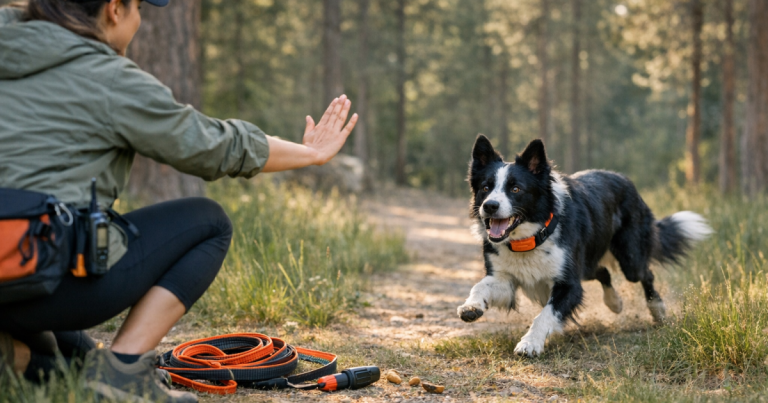
A few calm drills can turn one special cue into a safer last-resort signal before trailheads, parks, and unfenced play.
Read article →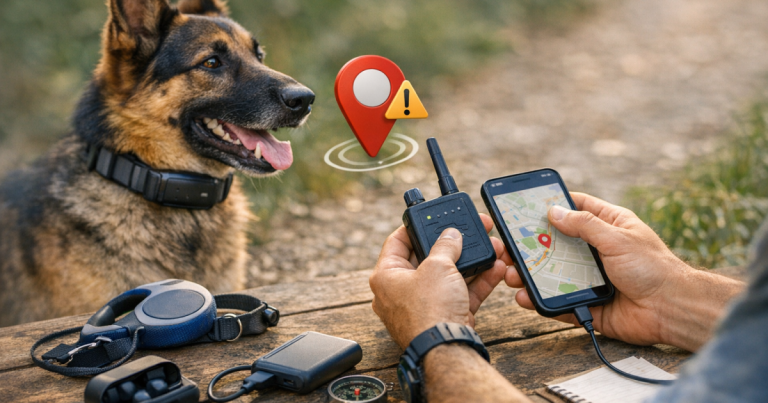
A slow tracker can still be useful if you know what to test first: signal, power settings, collar fit, and your recovery…
Read article →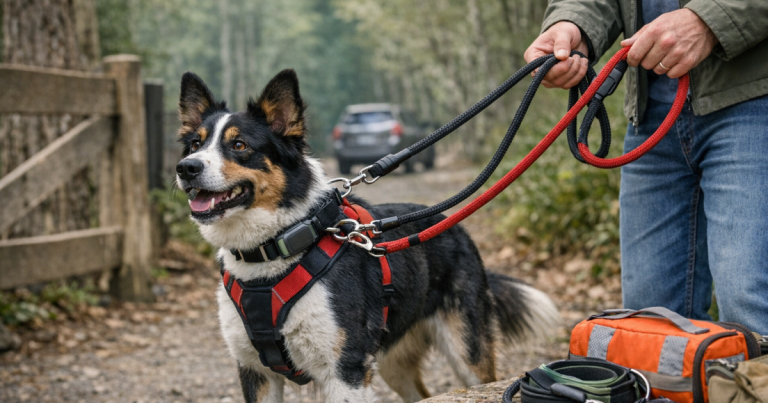
For dogs who slip gear or bolt at thresholds, a second leash can buy you time while you rebuild safer habits.
Read article →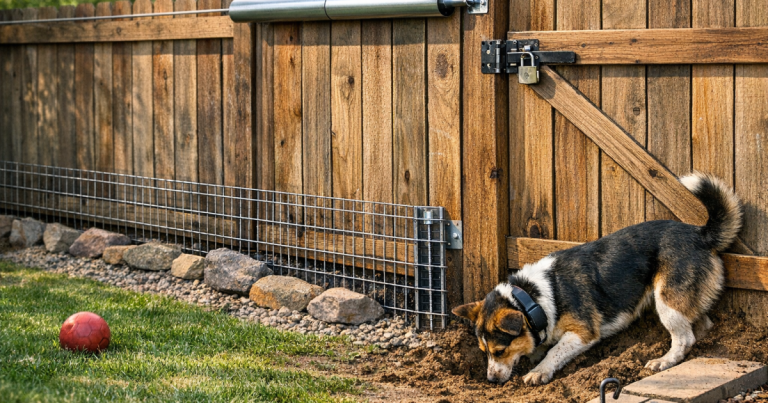
Stop the digging, squeezing, climbing, and gate-dashing that turn a normal yard into a lost-dog risk.
Read article →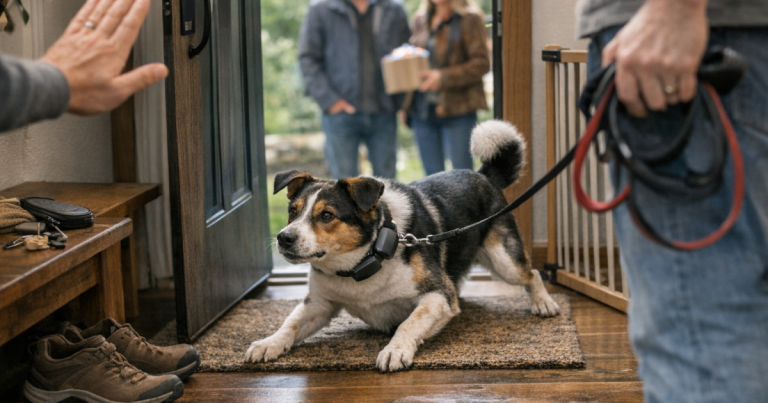
When the leash or doorbell triggers a sprint, a calmer threshold routine can keep your dog inside and your guests relaxed.
Read article →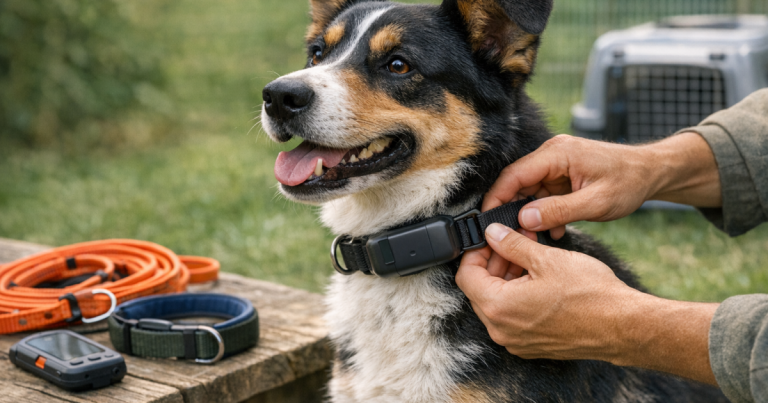
A collar that slips, rubs, or twists can turn a good tracker into a weak safety backup. Small fit checks make a…
Read article →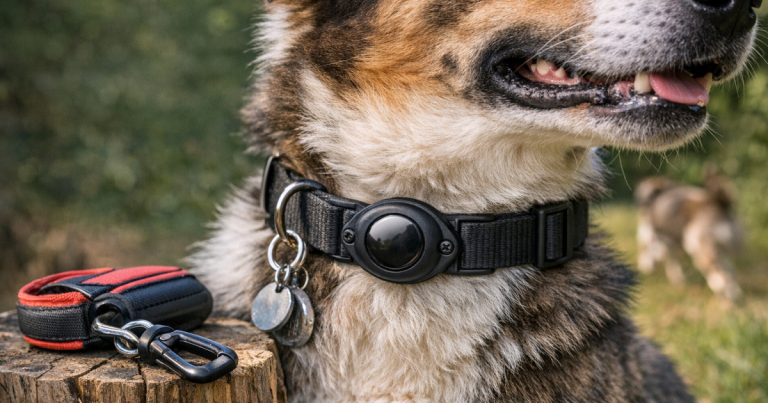
A secure AirTag mount can be a useful backup, but collar thickness, dog size, and escape behavior matter before you choose it.
Read article →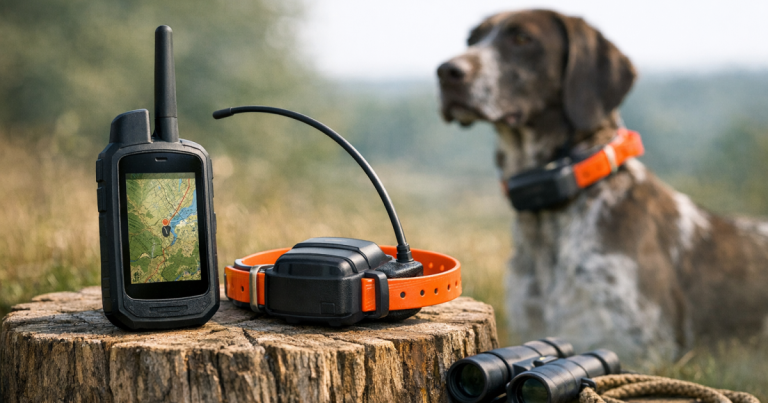
A calm look at where Garmin’s LTE dog tracker fits, where coverage matters, and which owners should think twice.
Read article →