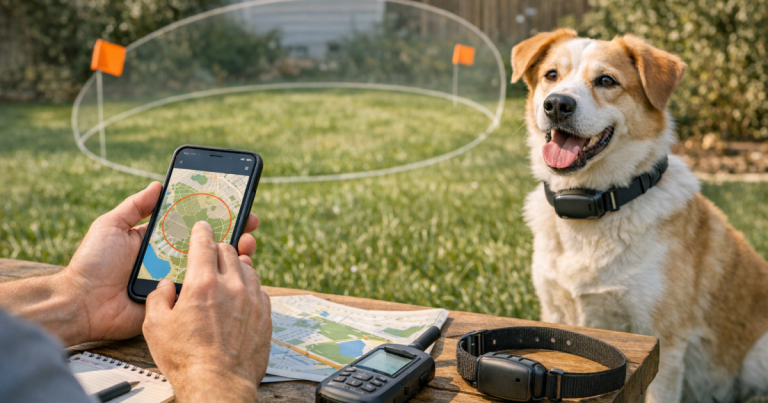
Setup & Testing
How to Set Reliable Safe Zones on a Dog Tracker
False alerts and late warnings usually come from zone size, signal limits, or rushed testing. A calmer setup starts with better boundaries.
Read article →
Topic archive
Explore a US guide for dog owners who want fewer lost-pet scares and smarter recovery plans, blending real-world safety education, escape-prevention advice, recovery stories, and honest GPS tracker comparisons with natural affiliate recommendations through trackers, collars, harnesses, tags, travel gear, and training-support products.
Browse articles
False alerts and late warnings usually come from zone size, signal limits, or rushed testing. A calmer setup starts with better boundaries.
Read article →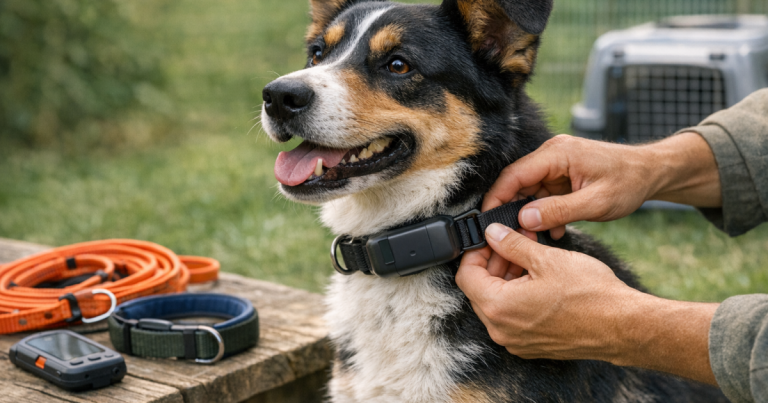
A collar that slips, rubs, or twists can turn a good tracker into a weak safety backup. Small fit checks make a…
Read article →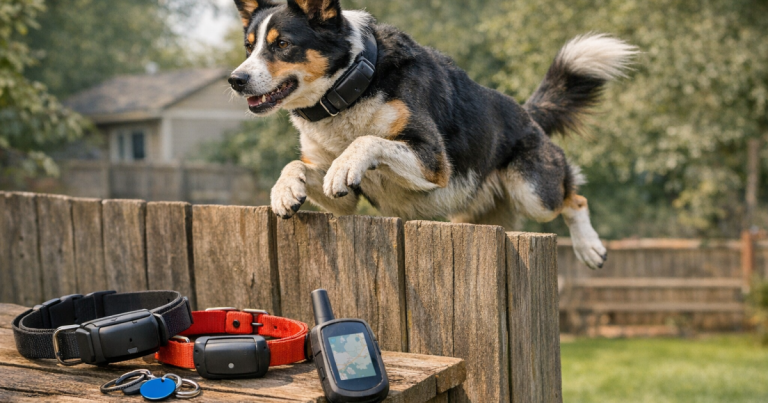
Fence jumpers need more than a sturdy collar. Match tracking style, fit, alerts, and backup ID to the way your dog actually…
Read article →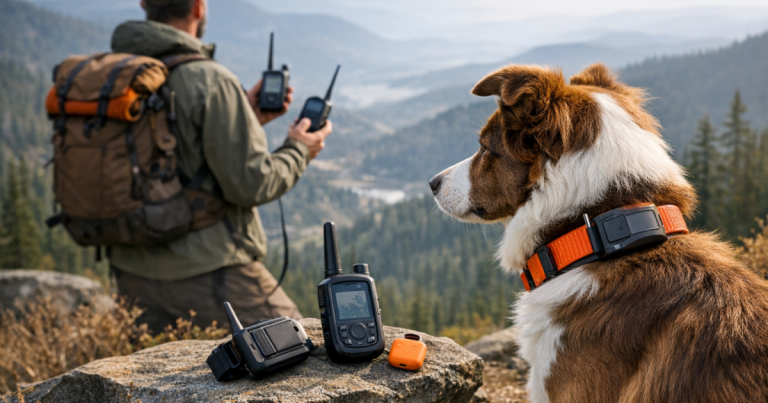
Weak coverage changes what “good tracking” means. Match your dog’s routine to cellular, radio, and backup recovery tools.
Read article →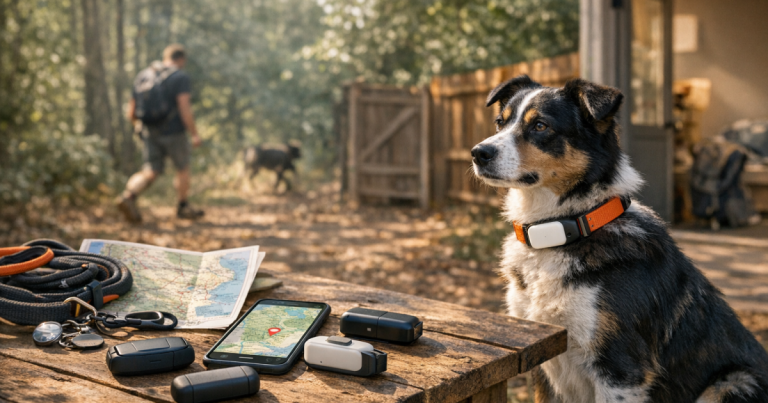
A fence-jumper, trail dog, and door-dasher need different tracking plans. Choose with fewer blind spots and better backup habits.
Read article →