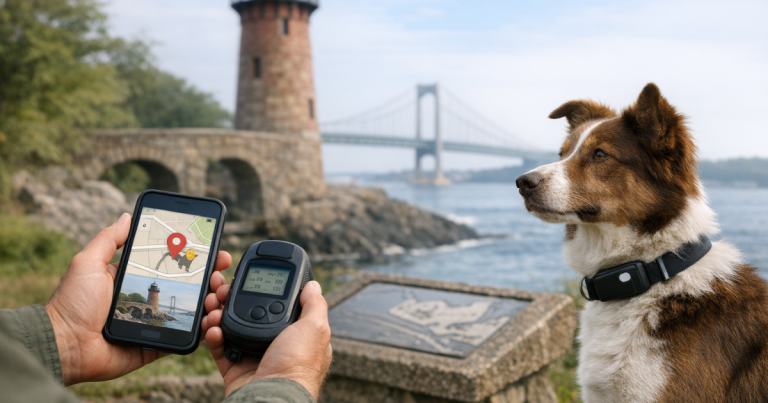
Setup & Testing
How to Test a Dog GPS Tracker Against Known Landmarks
Use fixed landmarks to see where your tracker drifts, when updates lag, and which routes deserve extra caution before an escape scare.
Read article →
Make sense of dog tracking and lost-pet recovery guide with clear guides, honest reviews and practical comparisons. Whether you are weighing up a purchase or exploring the subject, GPS Dog Trackers helps you focus on the details that matter.
Browse articles
Use fixed landmarks to see where your tracker drifts, when updates lag, and which routes deserve extra caution before an escape scare.
Read article →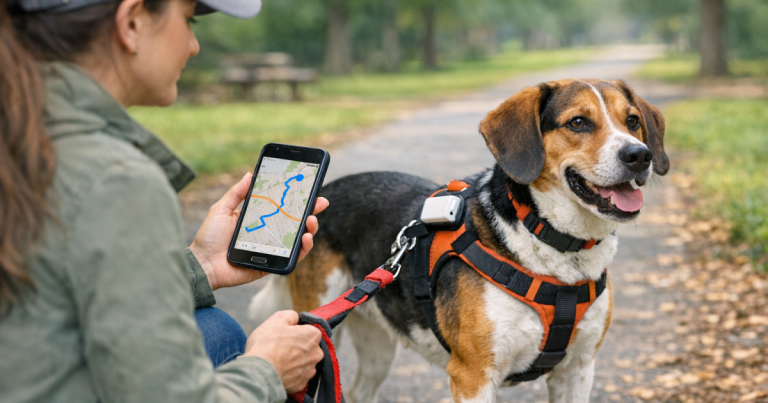
A calm leash route can reveal whether your dog’s tracker is steady enough before you trust it in higher-risk moments.
Read article →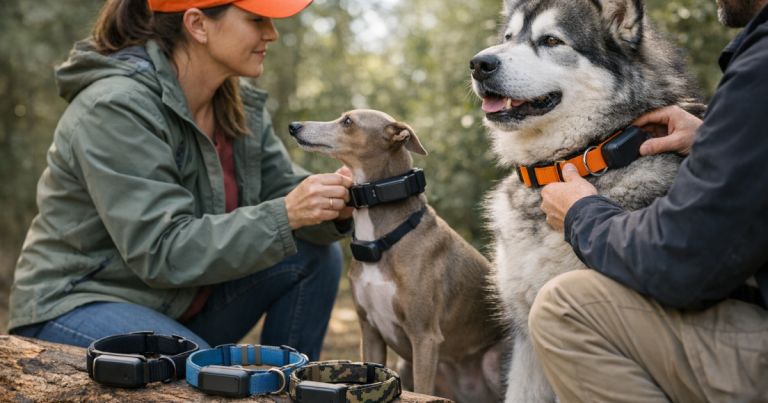
Slim necks, thick coats, and escape habits change the tracker decision. Fit comes first if you want the collar to stay useful.
Read article →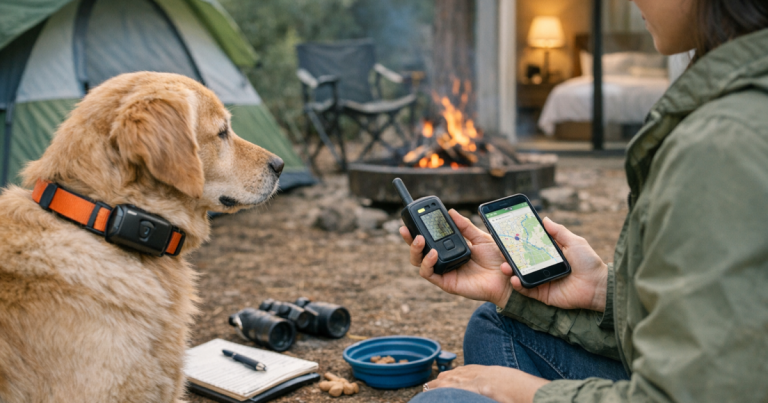
Before the leash comes off, a few quiet checks can reveal weak signal, stale location updates, or a travel setup gap.
Read article →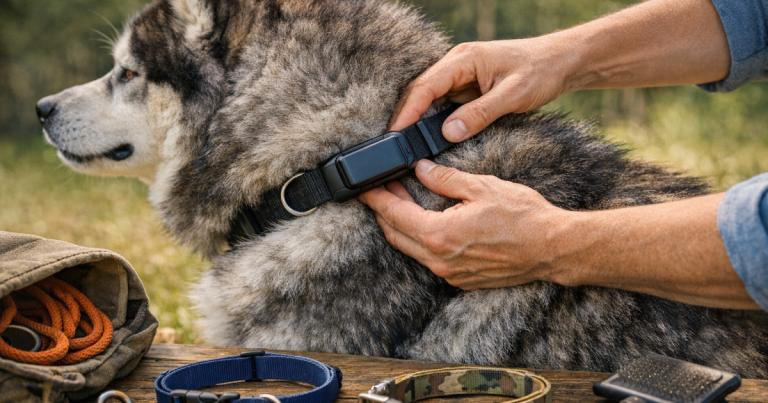
Thick fur can hide a loose tracker. Use these fit checks to keep the collar stable without pinching, matting, or blocking movement.
Read article →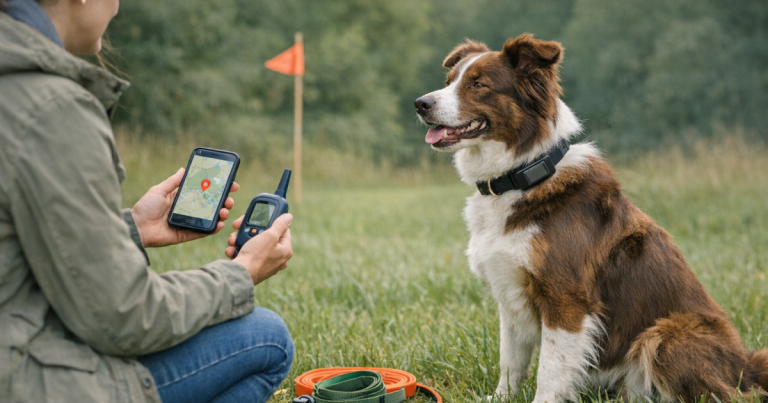
Before the leash comes off, run a calm field test so your tracker, alerts, fit, and backup plan are ready for real…
Read article →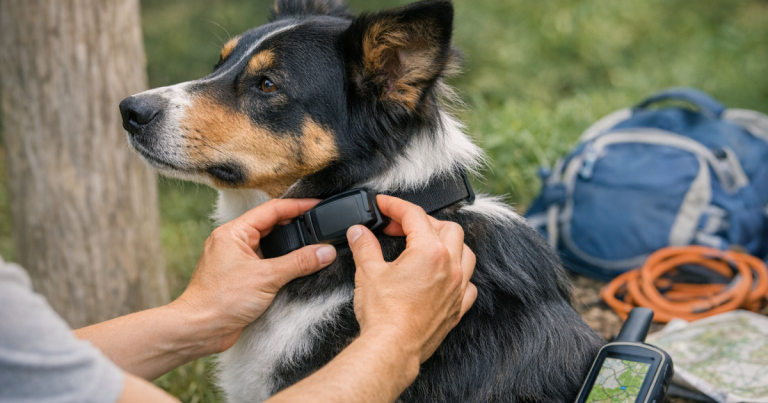
When the tracker slips under the throat or swings sideways, location updates can get messy. Fit and position matter more than most…
Read article →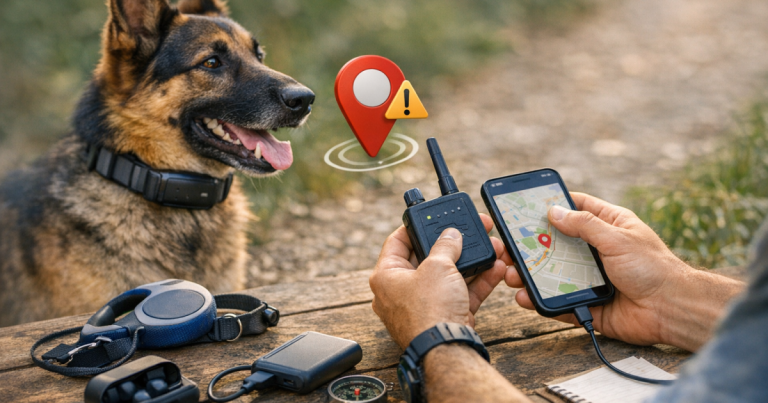
A slow tracker can still be useful if you know what to test first: signal, power settings, collar fit, and your recovery…
Read article →