Training Support
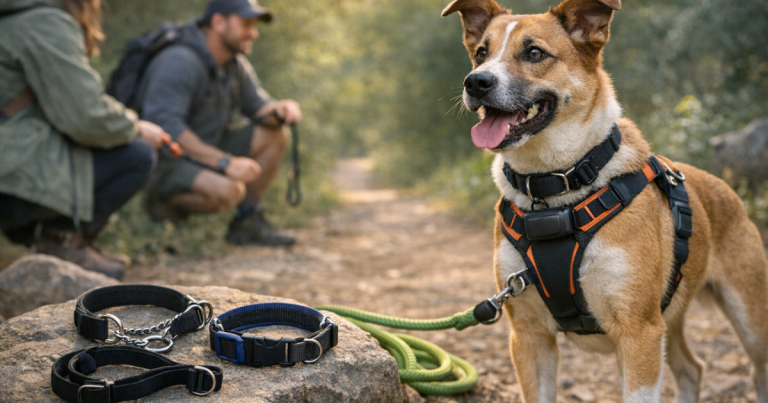
Which Training Collar Is Safest for Dogs Who Slip Collars?
Leash goes slack, heart drops. Here’s the safer collar setup for dogs who reverse, duck, or panic on walks.
Read article →
From the team
George Morgan writes about dog tracking and lost-pet recovery, connecting everyday questions with practical context, useful examples and sensible next steps.
Browse articles
Leash goes slack, heart drops. Here’s the safer collar setup for dogs who reverse, duck, or panic on walks.
Read article →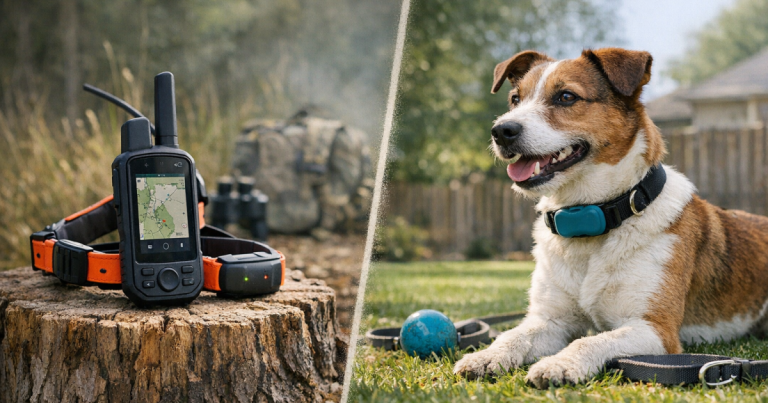
Choose the field handheld or the everyday collar tracker based on how your dog gets lost, not which spec sounds bigger.
Read article →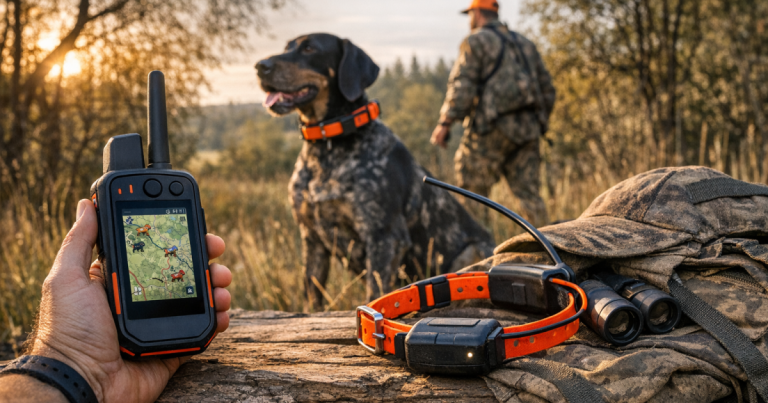
For hunting, field work, and remote outings, this handheld system changes how you plan a dog recovery.
Read article →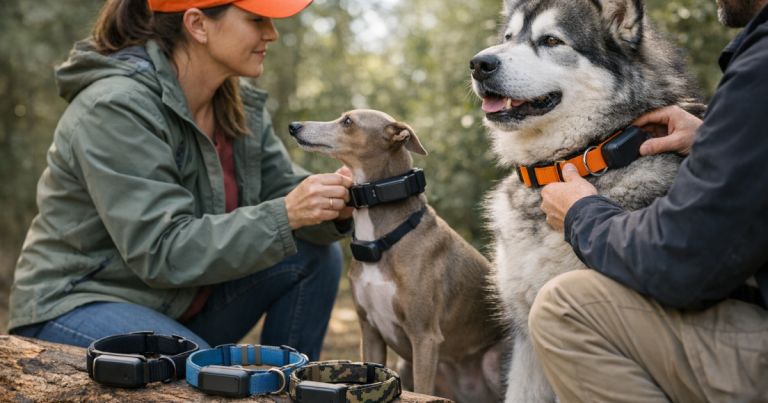
Slim necks, thick coats, and escape habits change the tracker decision. Fit comes first if you want the collar to stay useful.
Read article →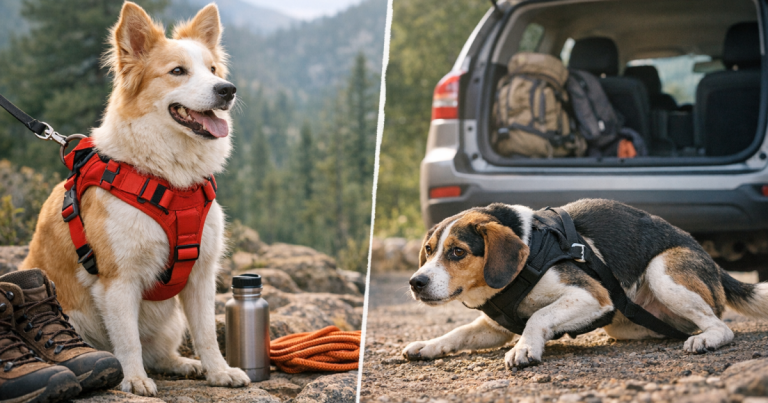
For dogs who back out, twist, or panic at trailheads, harness shape matters as much as leash handling.
Read article →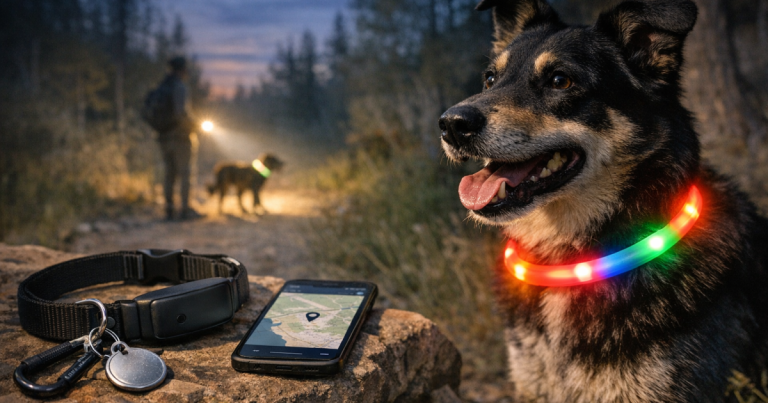
Night walks get safer when visibility, ID, and tracking each have a job. Here’s where a glowing collar helper belongs.
Read article →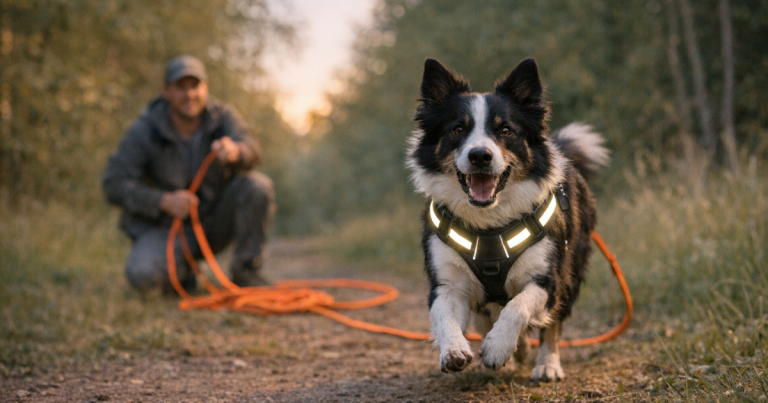
Recall practice feels calmer when your dog is visible, connected, and easier to manage before a real escape ever happens.
Read article →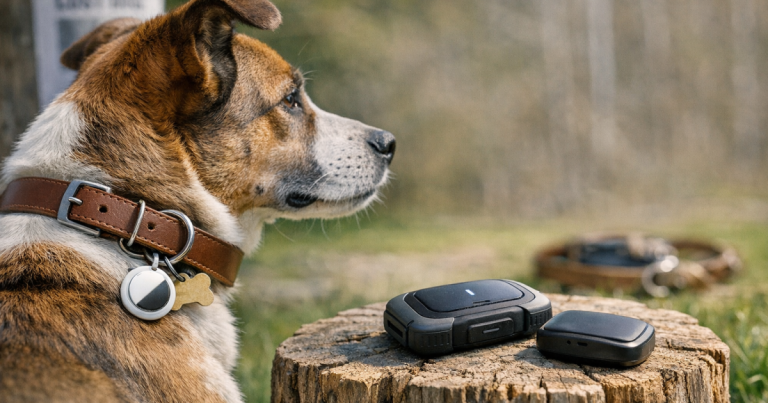
Bluetooth tags can be useful backups, but they are not live GPS. Know when an AirTag helps and when your dog needs…
Read article →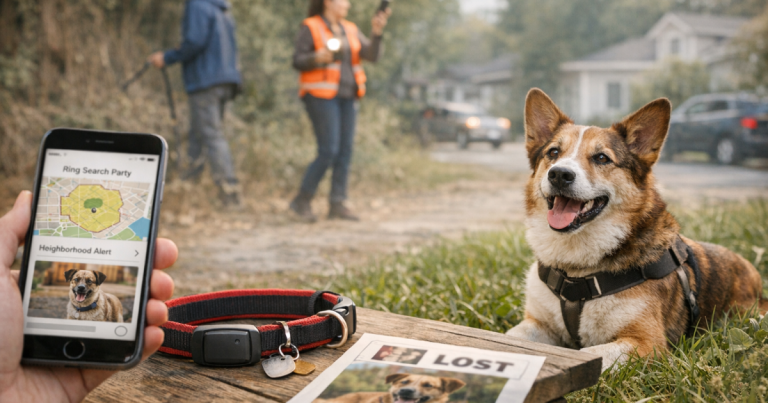
When your dog goes missing, speed and clear details matter. Use Ring’s neighborhood alerts without mistaking them for GPS.
Read article →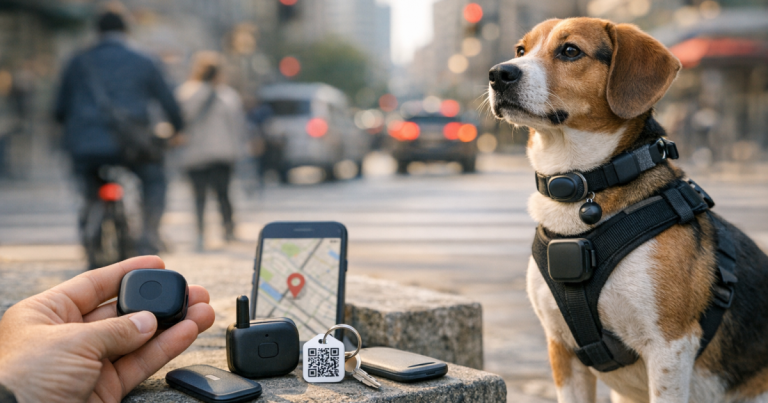
Apartment doors, busy sidewalks, and weak signals change the tracking plan. Build a city-ready setup with smarter backups.
Read article →