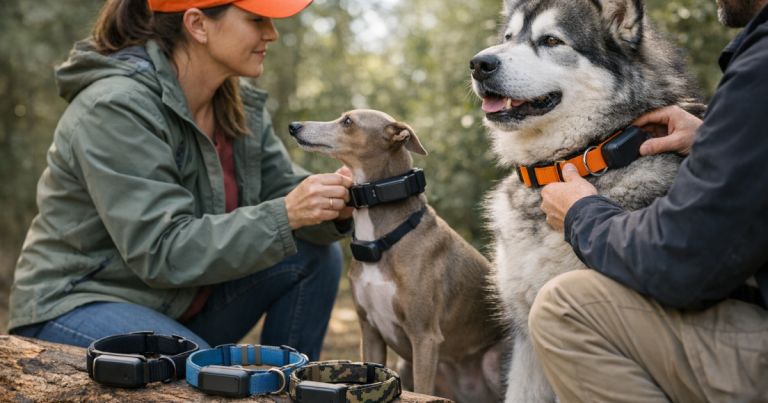
Collars & Fit
Best GPS Dog Collars for Hard-to-Fit Dogs in 2026
Slim necks, thick coats, and escape habits change the tracker decision. Fit comes first if you want the collar to stay useful.
Read article →
Archive
Freshly published
Slim necks, thick coats, and escape habits change the tracker decision. Fit comes first if you want the collar to stay useful.
Read article →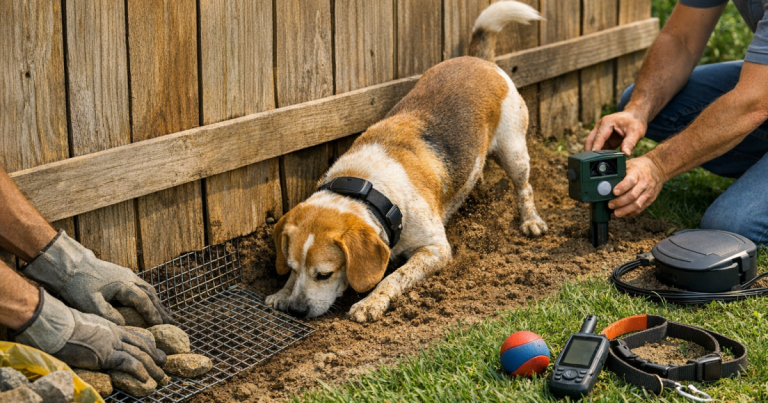
A tunneling dog needs more than a scolding. Secure the fence line, reduce the urge to dig, and add recovery backups.
Read article →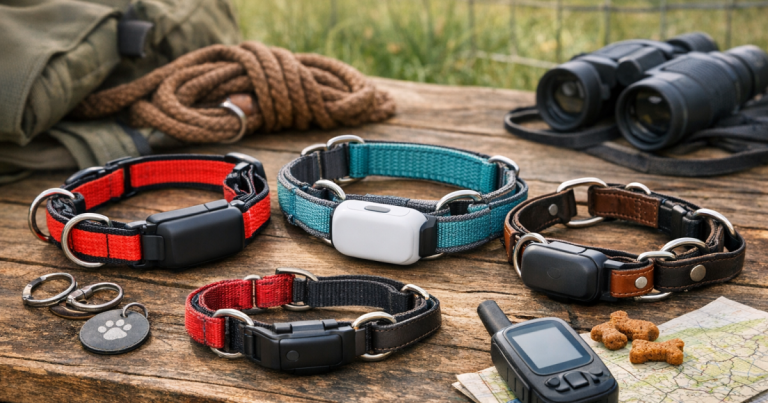
A tracker can only help if it stays attached. Match the martingale style to your dog’s escape habit, size, and tracker mount.
Read article →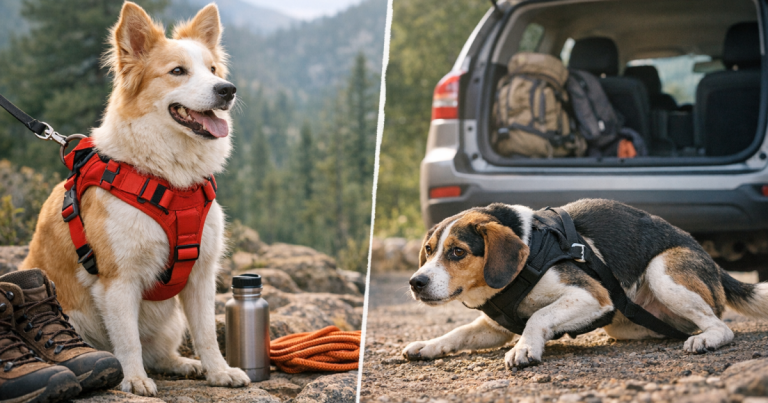
For dogs who back out, twist, or panic at trailheads, harness shape matters as much as leash handling.
Read article →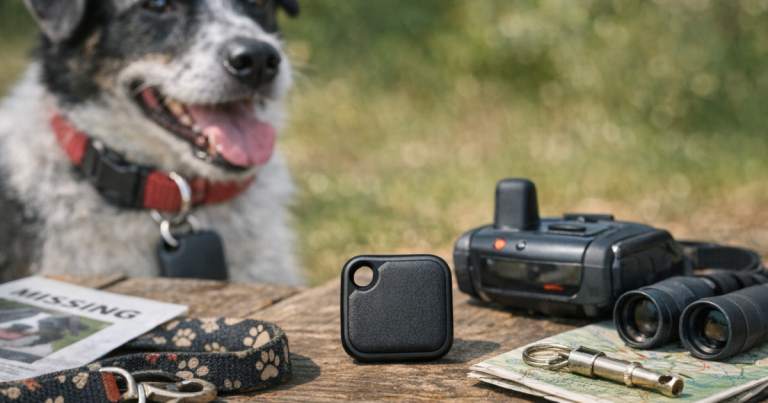
Good for finding a collar nearby, limited for a dog on the move—here’s where Tile Pro fits in a lost-pet backup plan.
Read article →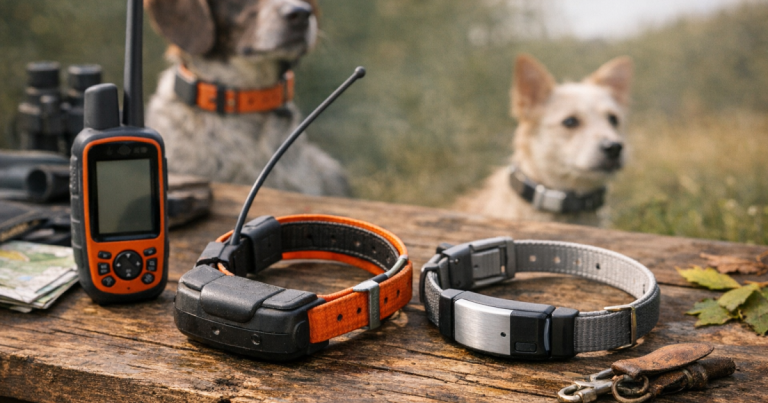
Your tracker may still be useful, but coverage, battery health, fit, and escape risk should decide whether it stays on your dog.
Read article →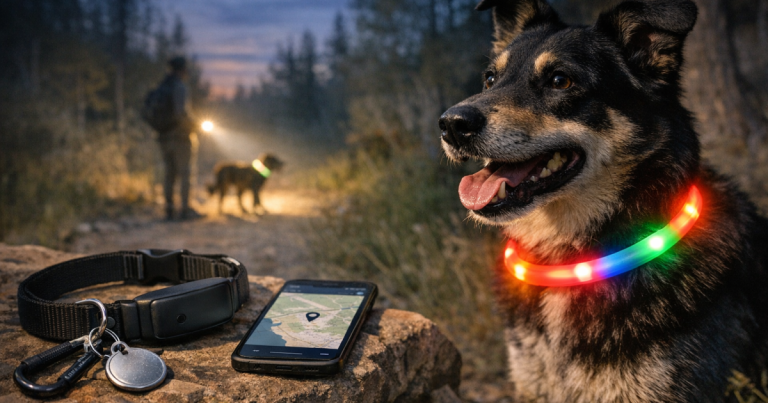
Night walks get safer when visibility, ID, and tracking each have a job. Here’s where a glowing collar helper belongs.
Read article →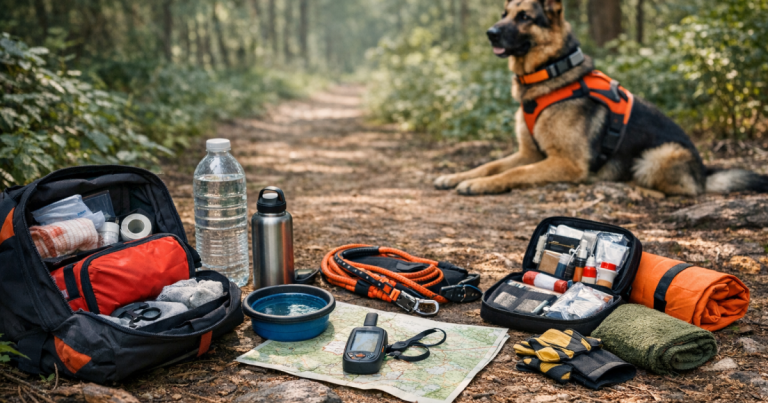
Searching woods, fields, or campground trails is calmer when your pack supports the dog, the search team, and the recovery plan.
Read article →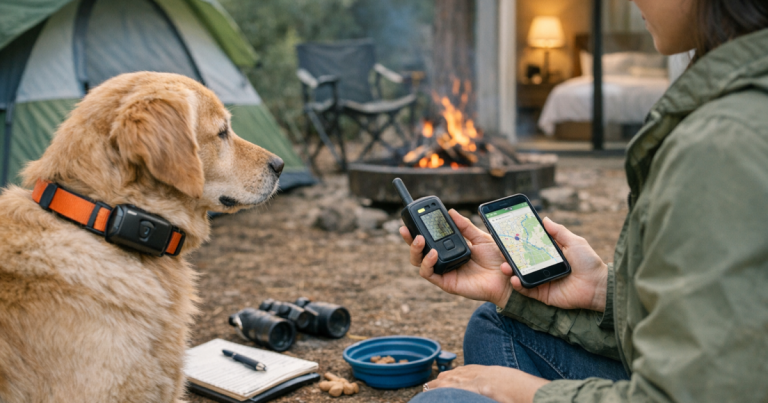
Before the leash comes off, a few quiet checks can reveal weak signal, stale location updates, or a travel setup gap.
Read article →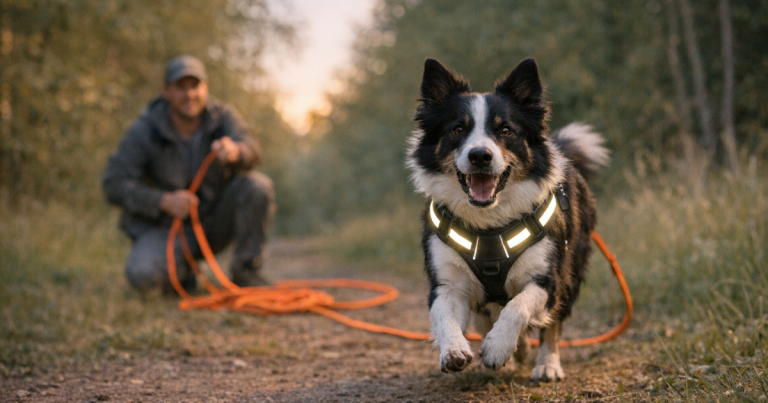
Recall practice feels calmer when your dog is visible, connected, and easier to manage before a real escape ever happens.
Read article →